
Protecting Your Roofing Business: Essential Insurance Coverage
Insurance for roofing is critical for contractors facing the inherent risks of working at heights, handling heavy materials, and managing weather-related hazards. Here’s what every roofing contractor needs to know:
| Essential Roofing Insurance Types | What They Cover |
|---|---|
| General Liability Insurance | Third-party injuries, property damage, legal fees |
| Workers’ Compensation | Employee injuries, medical expenses, lost wages |
| Commercial Auto Insurance | Vehicles used for business purposes |
| Professional Liability/E&O | Mistakes in workmanship or professional services |
| Tools & Equipment Coverage | Theft or damage to roofing tools and equipment |
| Surety Bonds | Guarantee of work completion and contract fulfillment |
The roofing industry faces unique challenges that make comprehensive insurance coverage not just recommended, but essential. With the market size of roofing contractors reaching $48.6 billion in 2021 and growing at 1.3% annually, protecting your business assets and reputation has never been more important.
Roofing work involves significant risks – from falls and injuries to property damage and liability claims. Without proper coverage, a single incident could devastate your business financially and damage your professional reputation.
I’m Patti Yencho, and at Professional Insurance Advisors, I’ve spent over two decades helping roofing contractors develop comprehensive insurance for roofing plans that address their unique risk exposures and protect what they’ve worked so hard to build.
Glossary for insurance for roofing:
– commercial roofing insurance
– liability insurance for roofers
– workers comp for roofers
Understanding the Risks in the Roofing Industry

When you’re in the roofing business, you’re literally putting yourself and your team on the line every day. The view might be great from up there, but the risks are just as high as the rooftops you work on.
Workplace Hazards
Let’s face it – roofing is dangerous work. It consistently ranks among the most hazardous occupations in construction, and for good reason.
Every time your crew climbs that ladder, they face the very real possibility of falls – the leading cause of construction fatalities. But the dangers don’t stop there. Your team regularly battles the risk of lifting injuries from handling heavy shingles and equipment. During those sweltering summer months, heat exhaustion becomes a serious concern as the sun beats down on exposed rooftops.
Then there are the less obvious dangers: electrical hazards from nearby power lines, puncture wounds from errant nails, and respiratory issues from disturbing older roofing materials that might contain asbestos or other toxins.
I spoke with a contractor last month who told me his most experienced roofer suffered a severe fall despite following all safety protocols. One unexpected gust of wind was all it took to change that worker’s life forever. Without proper insurance for roofing, both the worker and the business would have faced financial ruin.
Property Damage
Your team’s careful, but accidents happen even to the best contractors:
That tarp you secured before leaving for the day gets blown off during an unexpected overnight storm, causing thousands in water damage to the client’s home interior. Or perhaps a worker accidentally damages an ornate gutter system while installing new flashing.
I remember one client who told me about a particularly windy day when roofing materials slid off a roof and damaged a neighbor’s luxury car parked on the street below. Without comprehensive insurance for roofing, that single incident would have cost him his business.
Fire risks are especially concerning with torch-down roofing applications. One small mistake can literally set a project ablaze, potentially destroying not just the roof but the entire structure beneath it.
Legal Liabilities
Beyond the immediate physical dangers, there’s a world of legal exposure that keeps roofing contractors up at night.
When a homeowner claims your work caused their ceiling to leak six months after installation, you’ll need protection. When a visitor to your worksite trips over equipment and threatens to sue, you’ll need coverage. When a client alleges your crew didn’t complete the work according to specifications, you’ll need defense.
Environmental concerns add another layer of complexity. Removing older roofing materials can expose workers and property owners to hazardous substances, creating potential long-term liability issues that might not surface for years.
These legal challenges aren’t just theoretical – they happen every day in the roofing industry. Without proper protection, a single claim can drain your bank accounts, damage your reputation, and potentially end your business altogether.
The roofing industry presents unique challenges that make specialized insurance for roofing not just advisable but essential. Understanding these risks is your first step toward creating a safety net that protects everything you’ve worked so hard to build.
Essential Insurance for Roofing Contractors

When you’re climbing ladders and hauling shingles in all kinds of weather, you need more than just a good pair of work boots to protect you. Let’s talk about the safety net that keeps your roofing business secure when the unexpected happens.
General Liability Insurance: Essential Insurance for Roofing Businesses
Think of general liability as your business’s first line of defense. This foundational coverage is truly the backbone of any roofing contractor’s insurance portfolio.
Insurance for roofing starts here because it protects you when things go sideways with clients or the public. Imagine this: your crew accidentally knocks over a client’s prized garden statue while carrying materials to the backyard. Without general liability, that $2,000 replacement comes straight from your pocket. With it, you’re covered.
This coverage handles bodily injuries to non-employees (like when a homeowner’s curious neighbor trips over your equipment), property damage to others’ belongings, personal and advertising injury claims, and the often-expensive legal defense costs that follow.
Most roofing contractors carry limits between $1-2 million per occurrence, though larger operations often need more protection. One serious claim can easily exceed a million dollars when medical bills and legal fees start piling up.
Liability Insurance for Roofers
Workers’ Compensation Insurance: Critical Insurance for Roofing Contractors
If you have employees, workers’ compensation isn’t optional—it’s the law in most states. And frankly, in a high-risk industry like roofing, you wouldn’t want to be without it anyway.
When Jorge, your experienced roofer, slips on a wet surface and breaks his ankle, workers’ comp covers his medical bills, rehabilitation costs, and partial wage replacement during recovery. Without this coverage, you might be personally responsible for these expenses—and potentially face severe penalties for operating without required insurance.
Roofing companies typically pay higher premiums for workers’ comp than many other businesses due to the liftd risk classification. However, investing in safety training and equipment can help lower these costs over time. Many of my clients have seen their premiums decrease after establishing solid safety records.
Workplace Safety and Insurance Board
Commercial Auto Insurance
Those work trucks aren’t just transportation—they’re mobile billboards and essential business assets. Commercial auto insurance protects your vehicles and your business when accidents happen on the road.
Insurance for roofing professionals should always include commercial auto coverage when you’re using vehicles for business purposes. This applies whether you own a fleet of company trucks or occasionally use your personal vehicle to pick up supplies.
This coverage protects against bodily injury to others in an accident, property damage to other vehicles, medical payments for you and your passengers, and physical damage to your own vehicles. Most roofing contractors need policies with limits between $500,000 and $1 million, depending on your operation’s size and scope.
Personal auto policies typically exclude business use, so relying on your personal coverage for business activities could leave you exposed to significant liability.
Professional Liability Insurance
Also called Errors & Omissions (E&O) insurance, professional liability coverage is your safety net when workmanship issues arise.
Even the most skilled roofers occasionally make mistakes. Maybe you installed the wrong type of flashing, or perhaps water is seeping through due to an overlooked detail. When these situations lead to property damage or financial loss for your client, professional liability insurance covers the costs to make it right, along with any resulting legal expenses.
Many roofing contractors skip this coverage, thinking their general liability policy is enough. But when a client claims your poor workmanship caused damage months after project completion, you’ll be grateful for the additional protection.
Surety Bonds: Enhancing Professional Credentials

Surety bonds aren’t technically insurance, but they’re crucial for roofing businesses. Think of them as a promise backed by financial muscle—you’re telling clients and regulators that you’ll fulfill your obligations, or the bonding company will make it right.
For many roofing contractors, bonds open doors to larger projects and instill confidence in potential clients. They come in three main flavors:
License bonds are often required by state or local authorities before you can obtain your contractor’s license. In California, for example, roofers typically need a $15,000 surety bond.
Performance bonds guarantee you’ll complete projects according to specifications. These are particularly important for government or larger commercial jobs.
Payment bonds ensure you’ll pay your subcontractors and suppliers, giving everyone peace of mind.
One of my clients recently shared how their bonding helped them land their first major commercial contract: “The property manager told me straight up that they only considered bonded contractors. That $350 annual bond payment turned into a $75,000 project.”
Having the right insurance for roofing isn’t just about meeting legal requirements—it’s about sleeping well at night knowing your business is protected from the unexpected challenges that come with working in one of America’s most dangerous professions.
Determining the Right Insurance Coverage for Your Roofing Business
Finding the perfect insurance for roofing is a bit like choosing the right shingles for a custom home – what works beautifully for one business might leave another exposed to the elements. Let’s walk through how to find that just-right coverage for your unique roofing operation.
Assessing Risks
Every roofing business has its own risk fingerprint. Take a moment to consider what makes your operation unique:
Do you primarily handle residential re-roofs, or are you scaling commercial buildings downtown? The difference matters tremendously. A crew working on single-story homes faces different hazards than one perched atop a ten-story office building.
The materials you work with tell another part of your risk story. Installing standard asphalt shingles carries different liabilities than removing aging asbestos tiles or installing specialized metal roofing systems.
Your team’s composition matters too. A seasoned crew of roofers with decades of experience typically presents a different risk profile than a growing team with newer members still learning the ropes.
“The most expensive insurance policy isn’t necessarily the best one,” explains a veteran roofing contractor. “It’s about finding coverage that addresses your specific vulnerabilities without paying for protection you don’t need.”
Business Size Considerations
Your company’s scale significantly shapes your insurance needs:
For solo contractors, you’ll want robust general liability coverage with higher limits since you’re personally exposed to every risk. Tool coverage becomes especially critical when those drills and nail guns represent your livelihood.
With a small team of 2-10 employees, workers’ compensation suddenly becomes mandatory, not optional. Your commercial auto needs expand as your fleet grows, and your liability exposure increases with each new hire.
Medium-sized operations with 11-50 employees typically benefit from adding umbrella policies that extend coverage limits across multiple policies. Many also add employment practices liability coverage to protect against claims related to hiring, firing, and workplace conduct.
Larger roofing companies with 50+ employees often explore custom insurance packages or even self-insurance options to manage their comprehensive risk profile more cost-effectively.
Project Types
The roofs you work on directly impact the coverage you need:
Residential reroofing jobs typically generate more frequent but less severe claims. Homeowners tend to notice and report issues quickly, leading to smaller but more numerous claims.
New construction projects introduce coordination challenges with other contractors and typically require specific insurance provisions to satisfy general contractors and project owners.
Commercial flat roofs bring increased complexity due to their size, drainage systems, and often more complicated warranty requirements that might trigger professional liability claims.
Industrial roofing represents the highest risk category due to height, hazardous environments, and strict project specifications that leave little room for error.
Historical restoration work introduces specialized risks related to valuable materials and craftsmanship, where a single mistake could damage irreplaceable architectural elements.
Coverage Limits
Finding the sweet spot between protection and affordability is crucial:
Most roofing contractors carry general liability policies with $1-2 million per occurrence and $2-5 million aggregate limits. This forms the foundation of your protection.
Workers’ compensation limits are typically set by state requirements, but you’ll need to ensure your policy properly classifies your workers according to their actual duties.
For commercial auto coverage, a minimum $1 million combined single limit is generally recommended, especially considering the potential severity of accidents involving larger work vehicles.
Many clients now require umbrella/excess liability coverage of $1-5 million beyond your base policies, particularly for larger commercial projects.
Your tools and equipment coverage should match the replacement value of your gear – not what you paid for it years ago, but what it would cost to replace everything tomorrow.
| Business Type | Recommended General Liability | Workers’ Comp | Commercial Auto | Umbrella Coverage |
|---|---|---|---|---|
| Residential Only | $1M/$2M | Statutory | $500K-$1M | $1M-$2M |
| Light Commercial | $1M/$3M | Statutory | $1M | $2M-$3M |
| Heavy Commercial | $2M/$4M | Statutory | $1M-$2M | $3M-$5M |
| Industrial | $2M/$5M | Statutory | $1M-$2M | $5M+ |
These are starting points – your specific situation might call for adjustments up or down based on your risk exposure and client requirements.
“The worst time to find you’re underinsured is after a claim,” notes an insurance specialist. “It’s worth spending time with an agent who understands the roofing industry to identify potential gaps in your coverage.”
Mandatory Coverage in the Construction Industry
Navigating State and Provincial Insurance Regulations

If you’ve ever tried to make sense of insurance regulations across different states, you know it can feel like learning a different language in each location. For roofing contractors, this challenge is particularly steep – and the stakes couldn’t be higher.
State-Specific Requirements
When it comes to insurance for roofing, requirements don’t just vary slightly from state to state – they can be dramatically different.
In Florida, the frequent hurricane threats have led to some of the country’s most stringent insurance requirements for roofers. Meanwhile, Colorado implemented specific roofing regulations after seeing waves of contractor fraud following severe hailstorms. These regional differences aren’t just bureaucratic details – they directly impact your ability to operate legally.
Workers’ compensation is required in almost every state if you have employees, but the thresholds for when you need coverage vary widely. Some states require it even if you have just one part-time worker, while others set higher employee thresholds.
General liability coverage is sometimes mandated at specific minimum levels for licensing purposes. These minimums rarely represent adequate protection for your business, but they do establish a baseline for legal operation.
Surety bonds are another common requirement, with amounts typically ranging from $5,000 to $25,000 depending on your location. These bonds serve as financial guarantees that you’ll fulfill your contractual obligations and comply with building codes.
Your commercial vehicles need minimum liability coverage in every state, though the required limits vary. State minimums are rarely sufficient for the actual risks your roofing business faces.
Provincial Considerations in Canada
Canadian roofing contractors steer their own unique regulatory landscape. The Workplace Safety and Insurance Board (WSIB) mandates coverage for most construction workers, with each province administering its own specific program.
Unlike in the US, where state-level requirements often dominate, Canadian roofers frequently find that municipalities establish key liability insurance requirements. This creates another layer of complexity when working across different cities or townships.
Compliance Strategies
Staying on top of these complex regulations isn’t optional – it’s essential for your business survival. Working with an insurance agent who specializes in construction and specifically roofing can save you countless headaches. These specialists understand the nuances of insurance for roofing across different jurisdictions and can help you steer changes.
Local roofing associations often provide invaluable regulatory updates and compliance guidance. These industry groups typically track legislative changes that might impact your insurance requirements.
Many successful roofing contractors implement a regular insurance review process, typically quarterly or semi-annually. This helps catch any changing requirements before they become compliance issues. Maintaining organized documentation of all your insurance policies and certificates is equally important – you never know when you’ll need to prove coverage quickly.
“Compliance isn’t just about avoiding fines,” as one regulatory expert puts it. “It’s about maintaining your ability to operate legally and bid on projects without interruption.”
A simple compliance calendar can be a lifesaver, helping you track renewal dates and regulatory changes. When you’re busy managing crews, ordering materials, and keeping clients happy, insurance compliance can easily slip through the cracks – until it becomes an emergency.
Insurance requirements aren’t static – they evolve as legislation changes and as your business grows. What was adequate coverage when you were a small residential roofer might be completely insufficient as you take on larger commercial projects.
The Impact of Insurance on Client Relationships
When you’re a roofing contractor, your insurance for roofing coverage does much more than just protect your business from financial disaster. It actually plays a crucial role in how clients perceive you and can significantly strengthen your business relationships.
Building Trust
I’ve seen how proper insurance coverage serves as a powerful trust signal to potential clients. When homeowners or commercial property managers are considering which roofing contractor to hire, they’re not just looking at your portfolio and pricing—they’re evaluating whether you’re a safe bet.
Having comprehensive insurance for roofing demonstrates that you’re financially responsible and stable. It shows you’ve taken the time to plan for contingencies and are committed to professional standards. In my conversations with clients, I’ve noticed how their shoulders visibly relax when we discuss our insurance coverage—it provides genuine peace of mind.
As one industry expert noted, “Having proper insurance not only mitigates financial and legal risks but also strengthens professional relationships by meeting client requirements.”
Meeting Client Requirements
Today’s clients, especially in the commercial and public sectors, come to the table with specific insurance requirements already in mind:
Many commercial clients require minimum liability limits—typically $1-2 million—before they’ll even consider your bid. They’ll often request additional insured endorsements to extend your coverage to them during the project. Some sophisticated clients will require specific language like waiver of subrogation clauses or primary and non-contributory wording.
Almost universally, they’ll want to see certificates of insurance before work begins. Without the right coverage in place, you’ll find yourself disqualified from many lucrative projects before you even get to present your proposal. I’ve seen excellent roofers lose out on fantastic opportunities simply because they weren’t properly insured.
Competitive Advantage
Smart roofing contractors don’t just view insurance as a necessary expense—they leverage it as a competitive advantage. When you strategically highlight your coverage, it can help differentiate your business from competitors who may be cutting corners.
Consider highlighting higher-than-required coverage limits in your marketing materials. Emphasize specialized coverages that directly protect client interests. You can even use your comprehensive insurance credentials to justify premium pricing—clients understand that proper protection comes at a cost.
One of our most successful roofing clients shared: “We prominently feature our comprehensive insurance program in all client presentations. It’s helped us win contracts over competitors who offered lower bids but couldn’t match our risk protection.”
The bottom line? Your insurance for roofing isn’t just a safety net—it’s a relationship builder and business development tool when used correctly. It demonstrates your professionalism and commitment to doing things the right way, which is exactly what quality clients are looking for.
Construction Insurance Risk Management
Cost Factors in Roofing Insurance

Let’s talk about what really drives the cost of insurance for roofing – understanding these factors can help you manage your premiums without sacrificing the protection your business needs.
Business Location
Where your roofing business operates plays a huge role in what you’ll pay for insurance. It’s not just about state lines – it’s about risk factors unique to your region.
If you’re working in Florida or coastal Texas, brace yourself for higher premiums. These areas face frequent hurricanes and severe storms, making them high-risk in the eyes of insurance companies. One Florida roofer I worked with saw his premiums nearly double after a particularly active hurricane season, despite having no claims!
Urban areas typically cost more to insure than rural locations due to higher population density and increased potential for property damage or injury claims. Plus, each state has its own regulatory environment – some states have workers’ compensation systems that are significantly more expensive than others.
Regional claim patterns matter too. Areas where lawsuits are more common or where courts tend to award larger settlements will see this reflected in insurance costs for all contractors operating there.
Project Types
The kind of roofing work you do has a direct impact on what you’ll pay for insurance for roofing coverage.
Commercial roofing generally comes with higher premiums than residential work. Why? Larger projects mean more potential for something to go wrong, and commercial buildings often present more complex challenges.
As one insurance underwriter put it to me: “A contractor who focuses exclusively on single-family residential reroofing presents a different risk profile than one who works on high-rise commercial buildings, and their premiums reflect this difference.”
New construction projects often enjoy lower rates than reroofing jobs because they involve fewer unknowns. When you’re tearing off an old roof, you never know what problems might be lurking underneath!
Specialized work like slate installation, historical restoration, or metal roofing might affect your rates differently based on the specific skills and risks involved. And once you start working above three stories, expect your premiums to climb along with your ladders. Height is one of the most significant risk factors in roofing insurance calculations.
Claims History
Your track record might be the single most important factor in determining what you’ll pay for insurance. Insurance companies are looking closely at both how many claims you’ve filed and how severe they were.
“A single large claim can impact your insurance costs for 3-5 years,” one insurance specialist told me recently. This makes investing in safety programs and risk management particularly valuable for roofing contractors – it’s not just about preventing accidents, it’s about protecting your bottom line.
If you’ve gone several years without claims, don’t be shy about mentioning this when shopping for insurance. Many carriers offer claim-free discounts after consecutive years without losses, sometimes reducing premiums by 5-15%.
For workers’ compensation insurance, your experience modification factor (EMR) acts like a report card for safety. Keep it below 1.0 through good safety practices, and you’ll pay less than the average contractor in your class. Let it creep above 1.0, and you’ll pay more – sometimes substantially more.
Policy Limits and Deductibles
The coverage choices you make directly impact what you’ll pay for insurance for roofing protection.
Higher liability limits will increase your costs, but often in a way that makes sense financially. For example, doubling your liability coverage from $1 million to $2 million typically doesn’t double your premium – it might only increase it by 20-30%. For many roofers, this extra protection is worth the modest additional cost.
Deductibles work in the opposite direction – raise them, and your premiums go down. Most roofing contractors I work with find their sweet spot with deductibles that balance premium savings against their financial ability to absorb smaller claims. If you have strong cash reserves, higher deductibles might make sense for your business.
Don’t overlook potential savings from bundling multiple policies or paying in full. Bundling different types of coverage with the same carrier can often save 10-15% compared to having policies scattered across different companies. And many insurers offer discounts of 5-10% if you pay your annual premium upfront rather than in monthly installments.
Finding the right balance between cost and coverage isn’t always easy, but understanding these factors helps you make informed decisions about protecting your roofing business without breaking the bank.
Additional Insurance Policies for Roofing Contractors
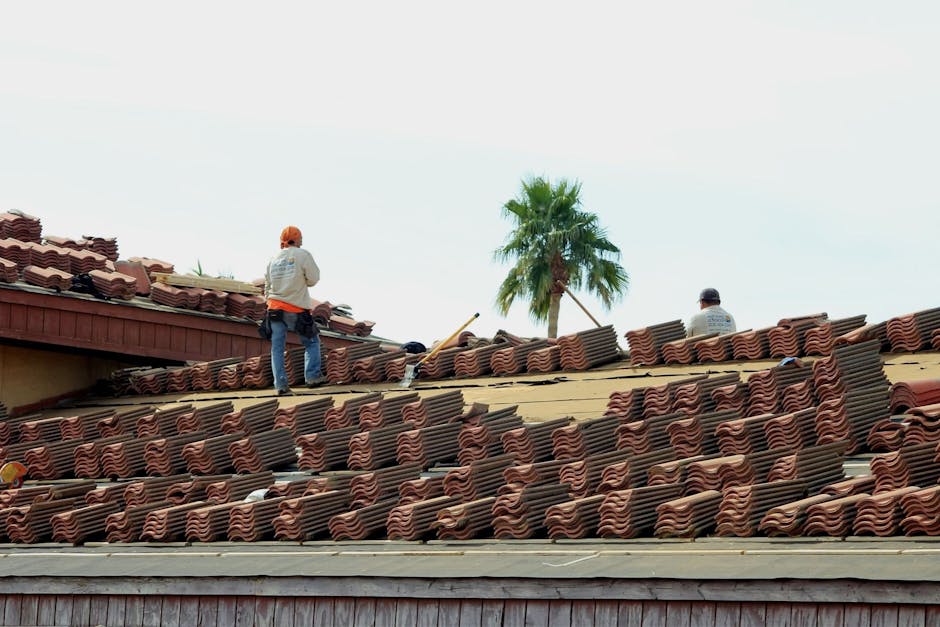
While the core insurance coverages form the foundation of your protection plan, several specialized policies can provide that extra layer of security your roofing business might need. Let’s explore these additional options that could save your business from unexpected financial setbacks.
Inland Marine Insurance
Don’t let the name fool you – there’s nothing nautical about this essential coverage for roofers! Inland marine insurance protects your valuable tools, equipment, and materials while they’re on the move or at job sites.
Think about it – your business is mobile by nature. You’re constantly transporting expensive materials and equipment between your shop and various job sites. If your trailer loaded with $5,000 worth of shingles gets stolen overnight from a job site, inland marine coverage would step in to cover the loss. Without it, you’d be paying for those materials twice – once when you bought them, and again when you have to replace them.
Tools and Equipment Coverage
Your tools are the lifeblood of your roofing operation. From simple hammers to expensive pneumatic nailers, ladders, and scaffolding – these items represent a significant investment. Tools and equipment coverage specifically protects these assets from theft, damage, or destruction.
Unfortunately, tool theft from construction sites has become increasingly common. According to industry data, contractors lose millions each year to theft alone. Just imagine arriving at your job site to find your extension ladders, roofing guns, and compressors have vanished overnight. With proper coverage, you’d be able to replace these items quickly (minus your deductible) and get back to work without a devastating financial hit.
Commercial Property Insurance
If you operate from a physical location – whether it’s an office, warehouse, or fabrication facility – commercial property insurance is a must-have addition to your insurance for roofing portfolio.
This coverage protects your business buildings, office equipment, computers, furniture, inventory, and even exterior features like signage and landscaping. More importantly, it can include business income coverage that helps keep money flowing if your operations are interrupted by a covered loss like a fire or severe storm.
For roofing contractors who maintain material storage facilities or fabrication shops for custom metal work, this protection is particularly valuable. Without it, a single fire could wipe out not just your physical assets but potentially your entire business.
Umbrella Policies
Think of umbrella coverage as your safety net for when things go really wrong. Umbrella policies provide additional liability protection beyond the limits of your underlying policies, typically offering $1-5 million in extra coverage at a surprisingly affordable rate.
Here’s a real-world scenario: Your crew accidentally drops a bundle of shingles from a three-story building, seriously injuring a pedestrian below. The victim’s medical bills and lost wages claim exceeds your $1 million general liability limit. Without umbrella coverage, your business assets could be at risk for the amount exceeding your primary policy.
Many roofing contractors find umbrella coverage provides tremendous peace of mind for a relatively modest premium – often just a few thousand dollars for millions in additional protection.
Cyber Liability Insurance
Even roofing contractors face cyber risks. If you’re using digital estimating software, storing customer information, accepting online payments, or simply using email, you have exposure that traditional policies don’t address.
Cyber liability insurance protects your business from the fallout of data breaches, ransomware attacks, and other digital disasters. As one risk management expert told me, “Many roofing contractors don’t realize how vulnerable they are to cyber attacks. From digital estimating tools to customer databases, the exposure is significant and growing every year.”
Consider what would happen if hackers locked you out of your estimating software right in the middle of your busy season, demanding thousands in bitcoin to restore access. Or if customer financial information was stolen from your systems. Cyber coverage would help cover the resulting costs, from technical assistance to potential liability claims.
By thoughtfully adding these specialized coverages to your core insurance for roofing program, you can build a comprehensive protection plan that addresses the unique risks your business faces every day. The right insurance portfolio isn’t about paying for coverage you’ll never use – it’s about sleeping soundly knowing you’re protected against the risks that could otherwise derail your business.
Frequently Asked Questions about Insurance for Roofing
Is Roofing Insurance Legally Required?
When it comes to insurance for roofing, the legal landscape varies depending on where you operate, but you’ll find several types of coverage that aren’t just smart business—they’re often the law.
Workers’ compensation insurance tops the list as a legal requirement in almost every state if you have employees. This isn’t surprising given the high-risk nature of roofing work. Commercial auto insurance follows close behind—if your business owns vehicles, there’s simply no legal way around having proper coverage.
Many jurisdictions also make general liability insurance a prerequisite for obtaining your roofing contractor license or pulling permits. Similarly, surety bonds are often mandatory for licensing, especially in states with strong consumer protection laws.
Beyond what’s legally required, there’s what’s practically required. I’ve seen countless situations where roofing contractors technically met the minimum legal requirements but lost valuable commercial projects because they couldn’t meet a client’s insurance specifications.
As my colleague in construction law often says, “Even when insurance isn’t legally mandated, operating without it exposes your business to risks that could lead to bankruptcy from a single incident.” That’s not just legal advice—that’s business survival wisdom.
How Does Workers’ Compensation Insurance Protect Roofers?
Workers’ compensation delivers crucial protection that works both ways—safeguarding your team members and your business simultaneously.
For your employees, this coverage provides a vital safety net: medical treatment for injuries that happen on the job, wage replacement during recovery periods (typically about two-thirds of regular wages), vocational rehabilitation if they need to learn new skills after a serious injury, and death benefits for families in the worst-case scenarios.
As a roofing business owner, workers’ comp offers you protection from what could otherwise be devastating employee lawsuits. In most cases, this insurance creates a “no-fault” system where injured workers receive benefits regardless of who caused the accident, and in exchange, they generally can’t sue you for those injuries.
The numbers make the value clear. In the roofing industry, a single fall from height can generate medical bills, rehabilitation costs, and lost wage claims easily exceeding $100,000. Without proper coverage, that financial burden falls directly on your business—a risk few roofing companies could weather.
Perhaps most importantly, workers’ comp supports return-to-work programs that help get valuable team members back on the job safely, preserving your experienced workforce and maintaining productivity.
What Happens if a Roofing Contractor Doesn’t Have Proper Insurance?
Operating without adequate insurance for roofing creates a perfect storm of risks that can destroy everything you’ve built.
On the legal front, the consequences are swift and severe. You could face substantial fines for non-compliance, immediate stop-work orders that halt your projects mid-stream, suspension or complete revocation of your contractor’s license, and in cases of willful non-compliance, even criminal charges.
The financial exposure is equally alarming. Without proper insurance, the corporate shields that normally protect your personal assets may not apply. This means your home, savings, and other personal property could be seized to satisfy claims. Legal defense costs alone can run into tens of thousands of dollars—even if you ultimately win the case.
The business impact extends beyond immediate financial concerns. Without proper insurance, you’ll be automatically disqualified from bidding on most commercial and government projects. Your reputation will suffer as savvy homeowners increasingly check for proper insurance before hiring. You’ll find it nearly impossible to secure financing or bonding for larger projects. Even recruiting quality employees becomes difficult when they realize they’re working without a safety net.
I’ll never forget the story a client shared about his former competitor: “He tried saving $15,000 a year by skimping on insurance. After a worker fell from a two-story home and sustained spinal injuries, he lost his business, his home, and eventually filed for personal bankruptcy. That $15,000 ‘savings’ cost him everything.”
In roofing, proper insurance isn’t just a business expense—it’s the foundation that makes all other business activities possible.
Conclusion

As we’ve explored throughout this guide, protecting your roofing business isn’t just smart—it’s essential for your survival and success in this high-risk industry. Insurance for roofing isn’t merely a checkbox for compliance; it’s the safety net that allows you to focus on growing your business without the constant worry of financial ruin from a single accident or mistake.
The roofing industry presents unique challenges that make comprehensive protection absolutely critical. Whether you’re a solo contractor just starting out or managing a team of dozens, the fundamental risks remain the same—they just scale with your operation.
I’ve seen too many hardworking contractors lose everything they’ve built because they tried to save a few dollars on inadequate coverage. Don’t make that mistake. The peace of mind that comes from knowing you’re properly protected is worth far more than the premium savings of cutting corners.
Start by ensuring you have solid foundation coverage: general liability to protect against third-party claims, workers’ compensation to take care of your team, and commercial auto insurance for your vehicles. These three policies form the backbone of your protection strategy.
From there, consider your unique business needs. Do you handle specialized materials or historical restorations? You might need additional professional liability coverage. Store expensive equipment at job sites? Inland marine insurance could save you from a devastating loss. The right insurance advisor can help identify these specialized needs based on your specific operation.
Insurance requirements aren’t static—they evolve as regulations change and as your business grows. What worked when you were a three-person operation likely won’t provide adequate protection when you’re running multiple crews across several counties. Schedule annual reviews with your insurance agent to ensure your coverage keeps pace with your success.
Perhaps most importantly, don’t view your insurance program merely as an expense. Smart contractors leverage their comprehensive coverage as a marketing advantage. When potential clients see that you’re fully insured and bonded, it signals professionalism and responsibility. This trust factor often makes the difference between winning and losing bids, especially for larger commercial projects.
At PIA Insurance Agency, we’ve dedicated ourselves to understanding the unique challenges facing roofing contractors. We know that no two roofing businesses are identical, which is why we take the time to create customized protection plans rather than offering one-size-fits-all solutions.
Your roofing business represents years of hard work, dedication, and expertise. Protect it properly with a comprehensive insurance for roofing program custom to your specific needs and risks.
Ready to ensure your roofing business has the protection it deserves? Don’t wait for a claim to find gaps in your coverage. Reach out today for a thorough review of your current insurance program.