
Understanding Insurance for General Contractors: Protection & Requirements
Insurance for general contractor coverage is essential for protecting your business from financial ruin due to accidents, property damage, and lawsuits. As a contractor, having the right insurance isn’t just smart—it’s often legally required to obtain licenses and win bids.
Here’s what you need to know about general contractor insurance:
| Insurance Type | What It Covers | Why You Need It |
|---|---|---|
| General Liability | Third-party injuries, property damage, completed operations | Required by most clients and for licensing |
| Workers’ Compensation | Employee injuries, medical costs, lost wages | Mandatory in most states if you have employees |
| Commercial Auto | Business vehicles, accident liability | Required for company-owned vehicles |
| Tools & Equipment | Theft or damage to contractor tools | Protects valuable business assets |
| Builder’s Risk | Project materials, structures under construction | Covers projects during construction |
| Professional Liability | Claims of negligence or faulty workmanship | Protection against alleged errors |
The cost of general contractor insurance typically ranges from $500 to $2,000 annually for general liability alone, with total insurance packages varying based on:
- Business size and revenue
- Number of employees
- Type of projects (residential vs. commercial)
- State requirements and location
- Claims history
Most states, including Ohio, require general contractors to carry minimum liability limits (often $500,000 or $1,000,000) and workers’ compensation if you have employees.
I’m Patti Yencho, and with over 26 years of experience helping contractors find the right insurance for general contractor needs, I’ve seen how proper coverage can save businesses from devastating financial losses while meeting contractual and legal requirements.
Quick insurance for general contractor definitions:
– contractors general liability insurance cost
– general contractor insurance cost per month
Why This Roundup Matters

Let me be straight with you – running a contracting business without proper insurance is like building a house without a foundation. It’s just asking for trouble. As someone who’s helped hundreds of contractors find the right coverage, I’ve seen how insurance for general contractor businesses can make or break your livelihood.
Think about it. You’ve spent years building your reputation and business. Then one day, a visitor trips over a power cord at your jobsite, or a heavy rain causes water damage to a client’s property during your renovation. Without proper coverage, these common accidents could drain your bank account and force you to close shop.
Our roundup matters because it addresses three things every contractor loses sleep over:
Scope of Protection isn’t just a fancy phrase – it’s about making sure you’re covered for the real-world risks you face daily. Standard business policies often leave dangerous gaps that can catch contractors off guard. Remember Joe from Cleveland? His standard policy didn’t cover the subcontractor who accidentally drove a forklift through a client’s wall. That $45,000 mistake came straight from Joe’s pocket.
Compliance Requirements vary wildly from state to state and project to project. Without the right paperwork, you simply can’t work legally. In Ohio, you need at least $500,000 in general liability just to get started, and many commercial clients won’t even look at your bid without proof of proper coverage. Miss these requirements, and you’re not even in the game.
Cost-Saving Opportunities exist if you know where to look. Smart contractors understand that good insurance isn’t just about avoiding disaster – it’s about strategic business planning. Bundling policies can save 15-20% on premiums, and many insurers offer discounts for safety programs and claim-free histories.
How We Picked the Best Options
When we set out to find the best insurance for general contractor options, we didn’t just Google “cheap contractor insurance” and call it a day. Our approach was much more hands-on.
We dug into real claims data from thousands of contractor policies to see which companies actually came through when the chips were down. Numbers don’t lie – some insurers settled claims 30% faster than others, which can be the difference between keeping or losing a valued client when something goes wrong.
We carefully checked state requirements across the country, paying special attention to places with unique rules. Ohio’s monopolistic workers’ compensation system, for instance, requires special handling that many national insurers struggle with. We made sure our recommendations work everywhere you might do business.
We talked to real contractors – not just in focus groups, but at job sites, supply stores, and industry events. Their contractor feedback revealed patterns about which insurers truly understand construction risks versus those who just collect premiums until something goes wrong.
A veteran builder from Toledo put it perfectly: “I don’t need the cheapest policy. I need the one that won’t leave me hanging when I have to file a claim at 4:30 on a Friday when water is pouring through a client’s ceiling.”
We also prioritized insurers offering genuine coverage customization because a residential remodeler’s risks look nothing like those of a commercial high-rise builder. Your insurance should reflect the specific work you do, not some one-size-fits-all template.
By focusing on these four key areas, we’ve created a roundup that delivers real value – not just information, but actionable guidance that can protect your business, satisfy legal requirements, and potentially save you thousands.
General Liability Insurance: The Must-Have Shield
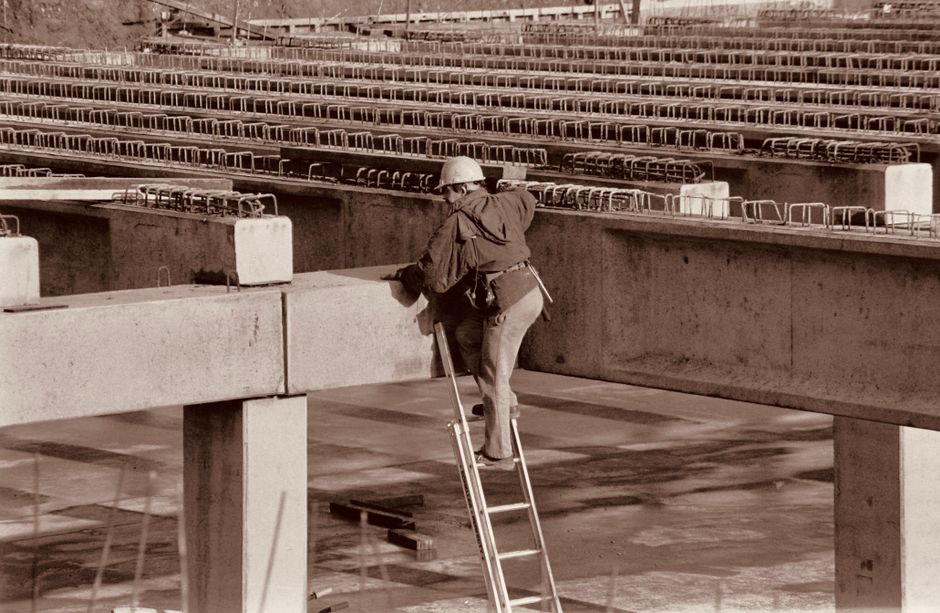
When we talk about insurance for general contractor needs, general liability is truly your first line of defense. Think of it as your business’s safety net—catching you when the unexpected happens on your jobsite.
I remember one client who told me, “I never thought I’d need my insurance until a delivery person tripped over our extension cord and broke their ankle.” That simple accident could have cost him over $100,000 in medical bills, lost wages, and legal fees. Instead, his general liability policy covered everything.
The beauty of general liability insurance is its comprehensive protection. Your standard policy typically wraps four essential coverages into one package:
Bodily injury protection pays medical expenses when non-employees get hurt on your jobsite. That visitor who slips on wet concrete? Covered.
Property damage coverage has your back when your crew accidentally breaks something that belongs to someone else. Cracked a client’s custom window during installation? You’re protected.
Products-completed operations keeps protecting you long after you’ve finished a project. If something you built fails six months later, you won’t be left hanging.
Personal and advertising injury coverage shields you from claims like libel, slander, or copyright issues in your marketing materials.
Most contractors I work with choose limits of $1,000,000 per occurrence with a $2,000,000 aggregate. While you might save $40-50 annually by choosing lower limits, that small saving comes with enormous risk. As I tell my clients, “Saving $4 a month isn’t worth losing your business over.”
Want to dig deeper into coverage options and pricing? Visit our detailed General Liability Insurance for Contractors page.
What does insurance for general contractor typically cover?
The heart of your insurance for general contractor protection revolves around third-party claims—situations involving people who don’t work for you.
When a potential client tours your jobsite and gets injured, your policy springs into action. It covers their immediate medical expenses, any lost wages while they recover, and even compensation for pain and suffering if you’re found responsible.
Legal defense is another massive benefit. Even if a claim against you is completely groundless, fighting it in court costs money—sometimes lots of it. Your policy pays for your attorney and all defense costs, which can easily run into tens of thousands of dollars.
I always highlight the medical payments coverage to my contractor clients. This no-fault benefit pays smaller medical bills regardless of who’s at fault, often preventing minor injuries from escalating into major lawsuits.
Property damage protection is equally crucial. As one of my roofing clients finded when his crew accidentally damaged a homeowner’s custom gutters, having this coverage meant writing an apology note instead of a big check.
The completed operations coverage might be the most overlooked benefit. It continues protecting you after project completion—like when a homeowner claims your electrical work caused a fire months after you finished the job.
Common Exclusions You Should Know
Understanding what your insurance for general contractor policy doesn’t cover is just as important as knowing what it does. These gaps aren’t flaws—they’re boundaries that help keep your premiums affordable.
Faulty workmanship typically isn’t covered. If you install flooring incorrectly and need to redo it, that’s on you. Your policy covers damage your work causes to other property, but not the cost of fixing your own work.
Intentional acts never receive coverage. If your employee deliberately damages something, you’ll be paying out of pocket.
Contract penalties fall outside your policy’s protection. Miss a deadline and face liquidated damages? That’s a business risk, not an insurance claim.
Employee injuries belong under workers’ compensation, not general liability. These are separate policies for good reason.
Your tools and equipment need their own coverage through inland marine policies. General liability protects other people’s property, not yours.
Professional errors require professional liability coverage. If you provide design advice that proves faulty, general liability won’t help.
Pollution claims almost always need specialized environmental coverage. Standard policies exclude most contamination scenarios.
One Ohio builder learned this distinction the painful way. “I assumed my liability policy would cover redoing improperly installed siding that failed during a storm,” he told me. “I was shocked when my claim was denied due to the workmanship exclusion—that $12,000 mistake came straight from my profits.”
Understanding these exclusions helps you identify where you might need additional coverage to fully protect your contracting business.
Workers’ Compensation, Commercial Auto & Crew Safety

Beyond general liability, your insurance for general contractor package needs to address the people who make your business run – your employees and their transportation. Let’s face it: construction is inherently risky, and protecting your crew and vehicles isn’t just good business—it’s often the law.
Workers’ Compensation Insurance
If you have employees, workers’ compensation isn’t optional in most states—it’s mandatory. This crucial coverage steps in when your team members get hurt, covering their medical expenses from job-related injuries or illnesses. It also provides replacement income (typically 66-67% of regular wages) while they recover, plus rehabilitation services if needed. In the worst scenarios, it provides death benefits to families.
Your premium costs largely depend on your experience modifier or “e-mod”—a number that tells the story of your safety record compared to similar businesses. Think of it as your safety report card: score below 1.0, and you’re rewarded with lower premiums; above 1.0, and you’ll pay more.
One contractor shared a success story that demonstrates the financial impact of safety: “We made safety our top priority and watched our e-mod drop from 1.2 to 0.85 over three years. That 35% reduction saved us over $15,000 annually on workers’ comp premiums. The investment in safety equipment and training paid for itself many times over.”
Commercial Auto Insurance
If your trucks and vans display your company logo, you need commercial auto coverage—it’s required in all 50 states. This isn’t just about legal compliance; it’s about protecting your business when accidents happen on the road.
A solid commercial auto policy includes liability coverage for injuries or damage you cause to others, physical damage protection for your own vehicles, medical payments coverage, and protection against uninsured drivers. Many contractors don’t realize they also need hired and non-owned auto coverage when employees use personal or rental vehicles for work errands. That quick trip to the supply store in a worker’s personal truck could become a major liability without this coverage.
Visit our Contractor Insurance page for more details on building a comprehensive protection plan for your business vehicles and employees.
State-Mandated Workers’ Comp Basics
When it comes to workers’ compensation, “one size fits all” definitely doesn’t apply. Your insurance for general contractor business must steer a patchwork of state requirements.
Most states establish statutory coverage limits—meaning you must provide the minimum benefits required by state law. Unlike general liability where you can choose lower limits to save money, workers’ comp minimums are non-negotiable.
Ohio contractors face a unique situation as one of four “monopolistic states” (along with North Dakota, Washington, and Wyoming) where you must purchase coverage through the state fund. If you’re operating in Ohio, you’ll work directly with the Ohio Bureau of Workers’ Compensation (BWC) rather than private insurers.
Here’s a critical detail many contractors miss: in monopolistic states, the state fund doesn’t include employer’s liability coverage—the protection that kicks in if an employee sues you. You’ll need separate “stop-gap” coverage to fill this dangerous protection void.
A contractor who works across state lines put it perfectly: “Managing workers’ comp across multiple states is like speaking different languages. We have state fund coverage in Ohio, private insurance in Pennsylvania, and stop-gap coverage for legal protection. Without an agent who understands these complexities, we’d be lost.”
Keeping Premiums Down
Smart contractors know that controlling insurance for general contractor costs isn’t about cutting corners—it’s about managing risks effectively. The good news? Taking steps to protect your team often leads directly to lower premiums.
Return-to-work programs make a tremendous difference in both human and financial terms. By creating modified duty options for injured workers, you help them maintain dignity and income while dramatically reducing claim costs and improving your e-mod. Many contractors find these programs cut claim durations in half.
Technology is changing fleet safety too. GPS and telematics devices not only help you track vehicle locations and improve efficiency—they can reduce your auto insurance premiums by 10-15% while encouraging safer driving habits among your team.
Don’t overlook the simple savings of bundle discounts. Purchasing multiple policies from the same insurer typically yields discounts of 10% or more. Your regular safety meetings and training sessions aren’t just good practice—they demonstrate to insurers that you’re serious about preventing claims.
As one contractor shared, “After implementing opioid avoidance education and a return-to-work program, our workers’ comp claims dropped by 30% in just twelve months. Our insurer noticed and adjusted our premiums accordingly. It’s proof that doing right by your team also does right by your bottom line.”
Builder’s Risk & Equipment Protection

Your projects and equipment represent a massive investment that standard policies simply don’t cover. When it comes to insurance for general contractor needs, these specialized coverages protect what’s literally under construction and the tools that make your work possible.
Builder’s risk insurance (sometimes affectionately called “course of construction” insurance by industry veterans) steps in to shield your in-progress structures and materials from disaster. Most policies are written as “all-risk,” meaning they’ve got your back for pretty much everything except what’s specifically excluded in the fine print.
When you’re covered by a solid builder’s risk policy, you can breathe easier knowing your under-construction structures, on-site materials, supplies in transit, temporary structures like scaffolding, and even debris removal after a disaster are all protected.
“I never truly appreciated my builder’s risk policy until a midnight fire tore through our custom home project,” shares Mike, an Ohio contractor. “That single event could have bankrupted my business, but instead, our $300,000 loss was covered completely. We restarted construction without missing a beat financially.”
What these policies typically won’t cover? Employee theft, mechanical breakdowns, normal wear and tear, design flaws, and weather damage to materials left exposed to the elements. These exclusions make sense when you think about it – insurance covers the unexpected, not the preventable.
Tools & Equipment Coverage
Your hammers, saws, backhoes and generators aren’t just tools – they’re the lifeblood of your contracting business. When these items go missing or get damaged, standard business insurance won’t help you one bit. That’s where inland marine coverage becomes your best friend.
This specialized insurance for general contractor businesses protects your valuable equipment because:
Regular liability policies never cover your own property, commercial property insurance only protects items at your fixed business location, and standard business policies specifically exclude mobile equipment from coverage.
Two types of inland marine coverage prove essential for most contractors:
Contractors Equipment Coverage wraps its protective arms around your bigger investments like excavators, generators, and other heavy machinery, while an Installation Floater keeps materials safe from the moment they’re in your possession until they’re permanently installed and the client has signed off.
Want to dig deeper into these crucial coverages? Our Contractors All Risk Insurance page offers a wealth of additional information.
Policy Triggers & Claims Timeline
Knowing exactly when your insurance for general contractor policies kick in and how long they stay active prevents dangerous coverage gaps that could leave you exposed.
For builder’s risk policies, coverage typically begins the moment construction starts or when materials arrive on-site. These policies usually run for the expected project duration – often 12 months. Facing delays? No problem. Most insurers allow extensions to keep you covered until completion. The policy naturally terminates when the project reaches completion, gets occupied by the owner, or is formally accepted.
Equipment coverage works differently – it activates immediately when issued and typically runs for a full year, protecting your tools and machinery wherever they happen to be. When making claims, be prepared to provide proof of ownership and value.
“Construction timelines are notoriously unpredictable,” notes Jennifer, a Columbus contractor. “We learned this when our six-month renovation stretched to nine months due to material backorders. Thank goodness we extended our builder’s risk policy – a burst pipe in month eight would have cost us $45,000 out of pocket otherwise.”
How Much Coverage Do You Need?
Setting appropriate limits for your insurance for general contractor policies isn’t about guesswork – it’s about careful calculation.
For builder’s risk, your coverage should equal the completed value of the structure, including both labor and materials. Don’t forget to consider adding protection for soft costs like architectural fees, permits, and financing charges that might need to be paid again after a loss. If your project includes systems testing (like HVAC or electrical), ensure your policy specifically includes this coverage – many standard policies exclude damage that occurs during testing phases.
For tools and equipment, you have two main approaches: list high-value items individually with specific values (scheduled coverage) and set an overall limit for smaller tools (blanket coverage). Always opt for replacement cost rather than actual cash value coverage – the small premium difference means you won’t face painful depreciation deductions when filing claims.
“Experience taught me the hard way to maintain a detailed inventory with photos and serial numbers of all our equipment,” admits Dave, a veteran contractor. “After thieves cleared out $30,000 worth of tools from our job site, having that documentation made our claim process infinitely smoother. We received full replacement value and were back to work within days instead of weeks.”
Surety Bonds, Additional Insureds & Licensing Compliance

When you’re running a contracting business, there’s more to your insurance for general contractor strategy than just the basic policies. The world of surety bonds and contractual risk transfer might seem complicated at first, but understanding these tools can make the difference between winning that next big project or watching from the sidelines.
Think of surety bonds as your financial handshake with clients. Unlike insurance, which protects you, bonds protect the people who hire you. They’re a promise that you’ll do what you say you’ll do.
Winning Bids With Proper Bonding
“My first million-dollar project wasn’t won because I had the lowest bid,” shares Mike, a contractor from Cincinnati. “It was because I had solid bonding capacity that gave the client confidence I could finish the job.”
Surety bonds involve three parties: you (the contractor), the client requiring the bond, and the surety company backing your promise. The most common bonds you’ll encounter are bid bonds (guaranteeing you’ll honor your bid), performance bonds (ensuring you’ll complete the project as specified), and payment bonds (promising you’ll pay your subcontractors and suppliers).
Here’s the catch that surprises many contractors: if your surety has to pay a claim, you’ll need to pay them back in full. It’s more like a credit line than insurance coverage.
Your bonding capacity—how large a project you can take on—depends heavily on your financial health. Most sureties will offer capacity that’s 10-20 times your working capital. Improving your business credit score and maintaining clean financial statements can dramatically increase this capacity over time.
“We spent three years cleaning up our balance sheet and building a relationship with our bonding company,” one Ohio contractor told me. “That investment paid off when our capacity jumped from $500,000 to $5 million, opening doors to much more profitable projects.”
Extending Protection Through Additional Insureds
Another critical aspect of your insurance for general contractor strategy involves additional insureds—other parties you add to your policy to extend certain coverages to them. This isn’t just a nice gesture; it’s usually a contractual requirement.
When you add someone as an additional insured, you’re essentially sharing your liability coverage with them for specific situations. Project owners, property managers, and even landlords will often require this protection before you can start work.
The two endorsements you’ll hear about most often are the CG 20 10 (covering additional insureds during ongoing operations) and the CG 20 37 (extending coverage to completed operations). That second one is particularly important—without it, your clients aren’t protected from claims that arise after you’ve finished the job, which is often when the most serious issues surface.
“I learned this lesson the hard way,” admits Tom, a veteran contractor. “We added the client as an additional insured, but without the completed operations endorsement. When a problem emerged six months after we finished, they were left exposed—and so was our relationship with them.”
For a deeper dive into these endorsements, check out the industry insights on key additional insured endorsements for contractors.
When working with your own subcontractors, the tables turn, and you’ll want to be named as an additional insured on their policies. Always verify their coverage before work begins, make sure their limits match or exceed yours, and get those hold-harmless agreements in writing.
As Sarah, who runs a growing contracting business, puts it: “One subcontractor’s uninsured mistake can become your financial nightmare. I never let anyone start work until I’ve seen their certificate of insurance with my company clearly listed as an additional insured.”
Your insurance for general contractor strategy isn’t complete without addressing these contractual requirements. They might seem like paperwork hassles, but they’re actually powerful tools that help you win bigger projects while protecting your business from risks that could otherwise slip through the cracks.
Insurance for General Contractor: Costs, FAQs, and Final Tips

Let’s talk dollars and sense when it comes to insurance for general contractor businesses. Understanding what you’ll pay and how to manage these expenses is crucial for protecting your business without breaking the bank.
When I sit down with contractors to discuss insurance costs, they’re often surprised by the range of premiums across different coverage types. General liability typically runs between $500-$2,000 annually for most contractors, while workers’ compensation can stretch from $2,000 to $10,000 depending on your payroll and the physical demands of your trade.
Commercial auto insurance averages $1,500-$3,000 per vehicle, which adds up quickly for contractors with multiple trucks and vans. Tools and equipment coverage generally falls in the $500-$2,000 range, while builder’s risk typically costs between 1-5% of your total project value.
For contractors offering design services or consultations, professional liability insurance runs $1,000-$3,000 annually. And if you need extra protection, umbrella liability coverage costs about $500-$1,500 per million in coverage—relatively inexpensive peace of mind for catastrophic claims.
Several factors influence these costs significantly. Your business size and annual revenue play a major role, as does your specific trade. A residential painter will pay substantially less than a commercial roofer working on high-rise buildings. Your location matters too—insurance costs vary dramatically between states and even between urban and rural areas within the same state.
Perhaps most impactful is your claims history. As one contractor recently told me, “After two liability claims in three years, my premium nearly doubled. That safety program I thought was too expensive suddenly looked like a bargain.”
For more specific pricing information custom to your situation, check out our General Contractor Insurance Cost Per Month page.
High-Risk vs. Low-Risk Trades: Premium Comparison
The difference in premiums between various trades can be startling. Interior painters might pay just $550-$900 for general liability coverage, while roofers often face premiums of $3,000-$8,000 for the same coverage limits.
This disparity extends to workers’ compensation as well. Finish carpenters typically pay $8-$12 per $100 of payroll, while roofers might pay $15-$40 for the same coverage—a difference that can amount to tens of thousands of dollars annually for larger crews.
I recently worked with a remodeling contractor who decided to stop offering roofing services entirely. “Dropping roofing work cut my insurance costs by 40%,” he explained. “I now subcontract all roofing to specialists and make nearly the same profit without the insurance headache.”
How to compare insurance for general contractor quotes
When you’re reviewing insurance for general contractor quotes, the premium is just the starting point. Looking deeper at what you’re actually getting for your money is essential.
First, verify that all quotes offer identical coverage limits. A $1 million/$2 million policy (per occurrence/aggregate) costs more than a $500,000/$1 million policy, so ensure you’re comparing apples to apples.
Next, examine the deductibles. Lower premiums often come with higher out-of-pocket costs when claims occur. Ask yourself whether saving $300 annually is worth having a $2,500 deductible instead of $1,000.
Don’t overlook the financial strength of the insurance carrier. I always recommend choosing insurers with at least an “A” rating from AM Best. After a devastating claim is no time to find your insurer lacks the financial stability to pay.
Policy exclusions can create dangerous coverage gaps. Look carefully for subcontractor exclusions, height restrictions (particularly important for roofers), residential exclusions, or prior work limitations. These seemingly minor details can render your coverage useless when you need it most.
Finally, consider your insurance broker’s construction expertise. A general insurance agent might offer a lower price but miss crucial coverages specific to contractors. As one contractor shared, “My agent’s construction knowledge saved me when a subcontractor’s policy had lapsed. She caught it before work started and prevented a potential uninsured disaster.”
Frequently Asked Questions about insurance for general contractor
Q: Does my general liability policy cover my subcontractors?
Most general liability policies don’t automatically cover subcontractors. You need to either verify that your subs carry their own adequate insurance (with certificates naming you as an additional insured) or specifically add them to your policy. Neglecting this detail is one of the most common and costly mistakes I see contractors make.
Q: How quickly will my claim be processed?
Simple property damage claims typically resolve within 30-90 days. However, bodily injury claims, especially serious ones, often take 6-12 months or longer to settle. The best way to speed up claims processing is prompt reporting and thorough documentation. Take photos, gather witness statements, and preserve evidence immediately after an incident occurs.
Q: What insurance do I need to get a contractor’s license?
Requirements vary significantly by state and sometimes by county or city. Most jurisdictions require general liability insurance with minimum limits of $500,000 or $1 million. If you have employees, workers’ compensation is mandatory in most states. Many localities also require surety bonds ranging from $5,000 to $25,000. Always check with your specific licensing authority for exact requirements.
Q: Can I get insurance if I’m a new contractor with no experience?
Yes, though you’ll likely pay higher premiums initially. Several insurers specialize in covering new ventures. If you’ve worked in the trade as an employee before starting your business, documenting that experience can help secure better rates. Consider starting with higher deductibles to keep premiums manageable, then adjusting as your business establishes a clean claims record.
Q: Will my policy cover me if I work in multiple states?
General liability policies typically provide nationwide coverage, but workers’ compensation is state-specific. You’ll need to add endorsements for each state where you have employees working. Always notify your insurer before crossing state lines for projects, as failure to do so could result in denied claims and compliance violations.
Final Tips & CTA
Managing your insurance for general contractor business isn’t a set-it-and-forget-it task. Smart contractors review their coverage annually as their business evolves. The policy that perfectly protected your three-person residential remodeling company may be woefully inadequate once you’ve grown to 15 employees tackling commercial projects.
Consider bundling policies with one insurer when possible. Most companies offer multi-policy discounts of 10-15%, which can result in significant savings across your entire insurance package.
Document your safety practices diligently. Regular toolbox talks, written safety protocols, and employee training records not only reduce accidents but demonstrate to insurers that you’re actively managing risks. These efforts often translate directly into premium savings.
If you have healthy cash reserves, consider increasing your deductibles. The premium savings from jumping from a $1,000 to $2,500 deductible often pays for itself in just a few claim-free years.
Prepare thoroughly for insurance audits by maintaining organized records of payroll, subcontractor payments, and revenue. Sloppy recordkeeping often results in estimated audit bills that err on the high side, costing you unnecessary premium dollars.
At PIA Insurance Agency, we specialize in creating custom insurance for general contractor packages that provide comprehensive protection while respecting your budget realities. Our team understands construction risks from the ground up and can help you steer the complex insurance landscape without overpaying or underprotecting.
Don’t wait until after a claim reveals gaps in your coverage. Contact us today for a comprehensive review of your contractor insurance needs.
For more information on our contractor insurance options, visit our Contractor Insurance page.