
The High-Stakes World of Demolition Insurance
Insurance for demolition contractors is a specialized coverage package designed to protect businesses from the unique and substantial risks involved in tearing down structures. Most demolition contractors need the following core coverages:
- Commercial General Liability ($2 million recommended) – Covers third-party injuries and property damage
- Workers’ Compensation (Required in most states) – Covers employee injuries
- Pollution Liability – Protects against asbestos and hazardous material claims
- Commercial Auto – Covers vehicles used in demolition operations
- Tools & Equipment – Protects valuable machinery from theft or damage
The demolition and wrecking industry is worth approximately $6 billion and continues to grow at about 3% annually over the next 15 years. This growth brings both opportunity and risk. When a single pollution liability claim related to asbestos exposure can result in legal and settlement fees amounting to an estimated $1.4 million, proper insurance isn’t just recommended—it’s essential.
Demolition work inherently involves greater hazards than standard construction. From structural collapses to falling debris, from explosive risks to heavy machinery accidents, demolition contractors face a unique set of challenges that require specialized insurance solutions.
I’m Patti Yencho, and with over 26 years of experience helping Florida businesses secure comprehensive insurance for demolition contractors, I’ve seen how the right coverage can mean the difference between business continuity and financial disaster after an unexpected incident.
Easy insurance for demolition contractors word list:
– insurance for HVAC contractors
– insurance for building contractors
Understanding Insurance for Demolition Contractors
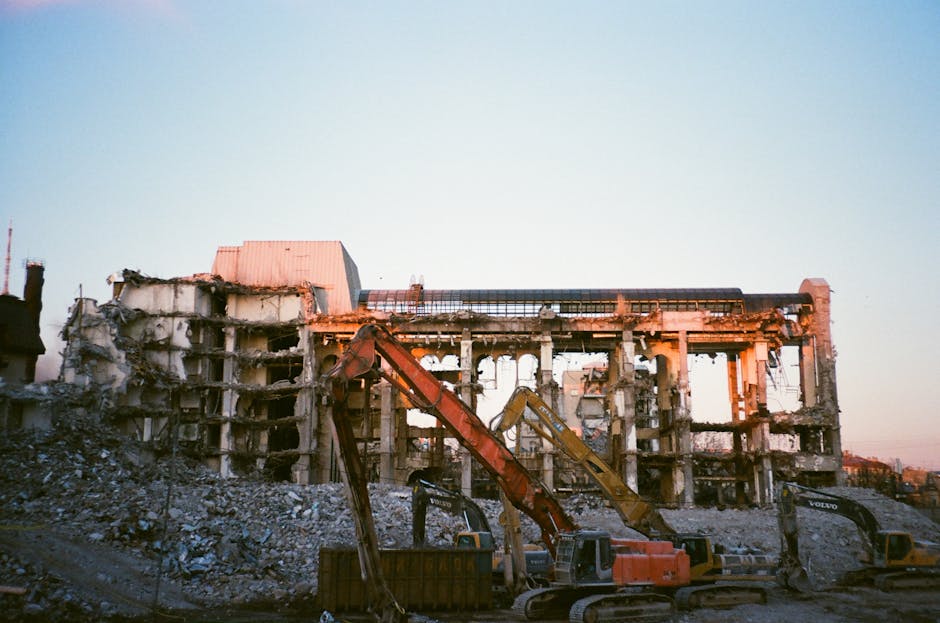
The demolition industry is no small operation – it’s a thriving $7 billion sector that continues to grow year after year. But unlike traditional construction where you’re building something new, demolition contractors specialize in the art of carefully taking structures apart. And let me tell you, this creates a whole different ballgame when it comes to risk.
When you’re in the business of knocking things down, you face challenges that would make most general contractors nervous. Think about it – you’re dealing with unpredictable structural collapses, debris flying in every direction, and clouds of dust that might contain who-knows-what from decades past. And that’s just on a good day!
The reality is that demolition work involves handling dangerous materials like asbestos and lead, navigating around underground utilities that aren’t always where the plans say they should be, operating massive machinery in tight spaces, and sometimes even using controlled explosives. According to Wikipedia’s demolition page, these specialized techniques require equally specialized protection.
That’s exactly why insurance for demolition contractors isn’t something you can just pick up off the shelf. Your business needs coverage as unique as the risks you face every day.
Why Demolition Crews Need Specialized Protection
Standard insurance policies simply weren’t designed with demolition in mind. They’re like bringing a butter knife to a situation that calls for a sledgehammer.
When things go wrong in demolition, they tend to go catastrophically wrong. A typical Commercial General Liability policy might offer $1 million in coverage, but I’ve seen demolition claims blow past that limit faster than you can say “structural failure.” The severity of potential claims alone justifies specialized coverage.
Many standard policies explicitly exclude the very activities that make up your daily work – blasting operations, deep excavation, or working on taller structures. And even if you could find a standard policy without these exclusions, your clients and the municipalities you work with wouldn’t accept it anyway.
Most property owners require specific insurance coverages before they’ll even consider your bid, and local governments often demand proof of specialized insurance before issuing those all-important demolition permits. As one contractor learned the hard way after facing a $1.4 million asbestos claim, having the right insurance for demolition contractors isn’t just about checking boxes – it’s about ensuring your business lives to demolish another day.
Regulatory Checklist Before the First Swing
Before your crew can swing that first wrecking ball, you’ll need to steer a maze of regulatory requirements. Think of this as your pre-demolition insurance checklist:
Workers’ compensation is non-negotiable in most states before hiring even a single employee, with requirements that vary depending on where you operate. If you’re working anywhere near railroad property, you’ll need railroad protective liability coverage since standard policies explicitly exclude this exposure.
Pollution liability isn’t optional in this business – it’s often mandated by contract or local regulations, especially when dealing with older buildings. You’ll also need to prepare project-specific Certificates of Insurance with all the endorsements and coverage limits your clients require.
Some municipalities won’t issue demolition permits without performance bonds in place, and of course, any vehicles used in your operations need proper commercial auto insurance – that’s not just good business, it’s the law.
Missing even one of these requirements can bring your project to a screeching halt, terminate your contract, or even result in legal penalties. That’s why I always recommend reviewing all insurance requirements well before bidding on demolition projects. This approach ensures you’re not just compliant but also accurately estimating your costs.
For a deeper dive into how liability insurance works in the construction world, check out our guide on Liability Insurance for Construction Contractors.
When your business involves knocking things down, having the right insurance helps you stay standing strong. At PIA Insurance Agency, we understand that demolition is both an art and a science – and insuring it properly requires the same careful approach you bring to every project.
Coverage Lines, Costs & Claim Scenarios

When it comes to protecting your demolition business, think of insurance as a puzzle with several essential pieces. Each coverage type fits together to create a safety net that catches different risks you face every day on the job.
Let me walk you through what a comprehensive insurance for demolition contractors package typically includes:
| Coverage Type | What It Protects | Typical Limits | Required or Optional |
|---|---|---|---|
| Commercial General Liability | Third-party bodily injury and property damage | $1-2M per occurrence, $2-4M aggregate | Required |
| Workers’ Compensation | Employee injuries and illnesses | Statutory limits | Required in most states |
| Pollution Liability | Environmental damage, cleanup costs | $1-5M | Often required by contract |
| Commercial Auto | Vehicles used in business operations | $1M CSL | Required for any business vehicles |
| Tools & Equipment | Machinery, tools, and equipment | Actual cash value or replacement cost | Optional but recommended |
| Builders Risk | Project materials and structures | Project value | Optional |
| Professional Liability | Design or consulting errors | $1-2M | Required for design-build projects |
| Excess/Umbrella | Extends limits of underlying policies | $1-10M+ | Often required by contract |
What Does Insurance for Demolition Contractors Cover?
I like to think of insurance for demolition contractors as your business’s bulletproof vest – it might feel like an extra expense until the day it saves you from financial disaster.
Your Commercial General Liability (CGL) policy is the foundation of your protection plan. For around $200 monthly, you get $2 million in coverage for those “oops” moments – like when debris accidentally lands on a neighbor’s property or when a passerby gets injured from materials that weren’t supposed to leave your worksite. It also covers you for claims that pop up after you’ve completed a job and legal defense costs that can rack up quickly.
But here’s where many contractors get caught short: standard CGL policies specifically exclude pollution – a massive exposure in demolition work. That’s why Pollution Liability coverage is non-negotiable in this industry. Asbestos claim I mentioned earlier? The $1.4 million one? That’s the kind of financial hit this coverage protects against. It covers sudden accidents like a fuel spill, but also gradual issues like asbestos or lead exposure that might not show symptoms for years.
Your team is your most valuable asset, and Workers’ Compensation protects them when accidents happen. With demolition ranking among construction’s most dangerous specialties, this coverage isn’t just legally required – it’s a moral obligation. When an employee suffers a fracture from falling debris, the $14,800+ in medical costs and lost wages won’t come out of your pocket.
Don’t forget about your vehicles! Commercial Auto Insurance covers those dump trucks, equipment haulers, and company pickups that keep your operation moving. A single accident can easily result in $24,000 or more in damages and liability costs.
Finally, those excavators, bulldozers, and specialty equipment represent a huge investment. Tools & Equipment Insurance protects these assets from theft, vandalism, and accidental damage – because replacing a stolen skid-steer out-of-pocket could demolish your profit margin faster than you can tear down a wall.
Common Claim Scenarios & Payouts
Real-world examples often tell the story better than statistics. Here are actual claim scenarios that demonstrate why proper insurance for demolition contractors isn’t optional:
The hidden danger of asbestos exposure became all too real for one demolition company. During an older building teardown, workers improperly removed asbestos-containing materials, exposing nearby residents. Years later, when a resident developed mesothelioma (a cancer linked directly to asbestos exposure according to the Mayo Clinic), the resulting lawsuit and settlement reached $1.4 million – covered by their pollution liability policy.
Even routine transportation can lead to major claims. When a demolition contractor’s truck collided with another vehicle while hauling equipment to a job site, the resulting damages and injuries totaled $24,000 – thankfully covered by their commercial auto policy.
Worker injuries are unfortunately common in demolition. When an employee suffered a fracture from falling debris, the medical expenses and lost wages amounted to $14,800 – covered by workers’ compensation.
One particularly windy day, a demolition crew watched in horror as unexpected debris sailed onto a neighboring property’s roof, causing $35,000 in structural damage. Their CGL policy covered the claim, saving them from an awkward conversation with the neighbor and a significant out-of-pocket expense.
Perhaps most dramatic was the underground utility strike that occurred during post-demolition excavation. A contractor hit an unmarked gas line, causing an explosion that damaged several nearby properties. The $250,000 claim was covered by their CGL policy with the proper excavation endorsement – without it, they might have faced bankruptcy.
These aren’t just cautionary tales – they’re reminders that in demolition, it’s not about if something will go wrong, but when. Having the right insurance for demolition contractors isn’t just meeting contractual requirements – it’s protecting everything you’ve built while you’re in the business of tearing things down.
Pricing, Factors & Buying Guide

Let’s talk dollars and cents – because protecting your demolition business shouldn’t break the bank, but skimping on coverage could cost you everything.
How Much Does Insurance for Demolition Contractors Cost?
When contractors call me about insurance for demolition contractors, their first question is almost always about cost. The truth is, demolition insurance typically runs between $2,500 and $4,200 annually for a comprehensive package – though this can vary widely based on your specific operation.
Your Commercial General Liability (CGL) forms the foundation of your protection, typically costing around $200 monthly for a solid $2 million coverage limit. If you’re running a larger demolition operation, be prepared for minimum premiums starting around $10,000.
Workers’ Compensation is where many demolition contractors feel the pinch. Since your team is performing some of the most hazardous work in construction, expect to pay premium rates – usually between $15 and $30 for every $100 of payroll. This is one area where safety programs really pay off!
Pollution Liability is non-negotiable in demolition work. Annual premiums typically range from $1,500 to $5,000 for $1 million in coverage. When you consider that a single asbestos claim could cost $1.4 million, this coverage becomes one of your best investments.
For your trucks and heavy equipment haulers, Commercial Auto insurance generally runs between $1,200 and $3,000 per vehicle annually. And to protect those expensive excavators and bulldozers, Tools & Equipment coverage typically costs 1-3% of their total value each year.
What drives these costs up or down? Several key factors come into play:
The type of projects you tackle matters enormously. High-rise demolition or implosion projects carry significantly higher premiums than single-story residential teardowns. Similarly, building height is a major consideration – the taller the structure, the greater the risk and the higher your premium.
Using explosives? Expect a substantial premium increase. Your company’s size, measured by payroll and revenue, also impacts rates – larger operations with more employees typically face higher premiums.
Your claims history speaks volumes to insurers. Your Experience Modification Rating (or “mod”) can either increase or decrease your workers’ comp premiums based on past performance. Recent claims across any coverage line will likely bump up your rates.
Even your location affects pricing. Insurance costs vary dramatically by state and sometimes even by zip code based on local risk factors, regulations, and litigation environments.
Looking to save without sacrificing protection? Consider taking on higher deductibles if you have the cash reserves to handle them. Many of my clients have reduced their premiums by implementing formal safety programs that qualify for safety credits with insurers.
Some forward-thinking demolition contractors are using equipment telematics to monitor usage and operator behavior, which can lead to additional discounts. And don’t overlook the power of bundling – purchasing multiple coverage types from the same insurer often results in package discounts of 5-15%.
For larger demolition operations, exploring captive insurance programs might make sense. These allow you to gain more control over premiums and potentially share in underwriting profits when claims are low.
Though – the cheapest policy isn’t always your best bet. I’ve seen too many contractors save a few thousand on premiums only to find devastating coverage gaps after a claim. Focus on finding the right protection for your specific operations rather than simply minimizing costs.
Need help figuring out the right balance for your demolition business? That’s where specialists like us at PIA Insurance Agency can help tailor coverage to your unique risk profile while keeping costs manageable. Learn more about controlling your construction insurance costs or explore our broader construction insurance risk management solutions.
Buying the Right Policy & Managing Risk

Finding the right insurance for demolition contractors isn’t just about checking boxes—it’s about building a safety net that truly protects your business when things get rough. And in demolition, things can definitely get rough!
Getting a Quote & Policy in Force Fast
When you need coverage yesterday (and let’s face it, we’ve all been there), being prepared makes all the difference. Think of it like packing for a demolition job—you wouldn’t show up without your equipment, right?
Before you call for quotes, gather your business essentials: your legal name and address, years knocking down buildings, revenue figures, and employee details. Having your equipment inventory and values ready saves valuable time too. Most importantly, have your loss runs (fancy insurance-speak for claims history) for the past 3-5 years.
Demolition insurance isn’t one-size-fits-all. You’ll need to complete specialized questionnaires about your operations. Insurance companies want to know about the buildings you tackle—how tall? Do you use explosives? Handle hazardous materials like asbestos? These details matter enormously for getting accurate coverage.
Working with a broker who actually understands demolition makes all the difference. They’ll know which carriers specialize in our industry rather than sending you to companies that’ll run for the hills when they hear “controlled implosion.” A good broker steers both standard markets and excess and surplus (E&S) carriers when needed.
When reviewing quotes, pay close attention to the fine print. Are there height restrictions that would prevent you from bidding on that upcoming high-rise project? What about radius limitations or blasting exclusions? These details can make or break your coverage when a claim happens.
Need coverage immediately for that contract you just landed? Many specialized demolition insurance providers offer same-day binding, sometimes in as little as five minutes. You can have certificates of insurance (COIs) in your inbox before lunch—perfect for those “we need this yesterday” situations.
Managing Risk Beyond Your Policy
Smart demolition contractors know that the best claim is the one that never happens. That’s where solid risk management comes in.
Job-site safety plans aren’t just paperwork—they’re blueprints for keeping everyone safe. Create detailed plans for each project, addressing the specific hazards you’ll face. Is it an older building with potential lead paint? Near a busy pedestrian area? Your safety plan should reflect these unique challenges.
PPE enforcement should be non-negotiable. Hard hats, safety glasses, steel-toed boots—the works. And not just for your crew, but for everyone who steps foot on your site. One unprotected visitor can lead to a claim that haunts you for years.
Dust control measures serve double duty—they protect workers’ lungs and prevent those pesky pollution claims from neighboring businesses. Water misting systems and proper containment aren’t just nice-to-haves; they’re essential risk management tools.
Proper waste disposal might not be glamorous, but it’s crucial, especially with hazardous materials. One improperly disposed load of asbestos-containing materials can lead to a pollution claim that dwarfs your project’s profit margin.
Keep detailed maintenance logs for all your equipment. When an insurance adjuster investigates a claim involving your excavator, documentation showing regular maintenance can make the difference between a covered claim and a denial.
Managing subcontractors requires vigilance. Always verify their insurance coverage before they set foot on your site, and require additional insured status on their policies. Their mistakes can become your liability if you’re not careful.
Regular safety training isn’t just about compliance—it’s about creating a culture where everyone looks out for each other. Special attention to equipment operators can prevent those high-severity claims that keep demolition insurance rates climbing.
By combining comprehensive insurance for demolition contractors with smart risk management practices, you’re not just protecting your business—you’re potentially lowering your insurance costs over time. A win-win that lets you focus on what you do best: safely bringing down buildings.
For more guidance on managing construction risks effectively, check out our Construction Insurance Risk Management guide or learn more about commercial auto insurance for your fleet.
Frequently Asked Questions about Insurance for Demolition Contractors
Are Subcontractors Covered Under My Policy?
One of the most common questions we hear from demolition contractors might surprise you with its answer: No, your policy typically does not cover subcontractors.
This misunderstanding has left many contractors facing unexpected financial exposure. Your insurance for demolition contractors policy is designed to protect your own employees and operations—not the independent contractors or subcontractors you bring onto your projects.
To properly manage this risk, we suggest taking these protective steps:
- Request certificates of insurance from every subcontractor before they set foot on your job site
- Verify their coverage limits meet or exceed your own
- Have yourself added as an additional insured on their policies
- Include clear hold harmless language in all your subcontractor agreements
While some insurers may allow you to add specific subcontractors to your policy, this usually comes with additional premium costs and requires special underwriter approval. The safest approach is always to verify your subs have their own proper coverage rather than assuming your policy will extend to protect them.
Is Pollution Liability Mandatory or Optional?
Though pollution liability isn’t legally required in most places, I’d consider it mandatory for demolition contractors in all but name. Here’s why:
First, most property owners and clients will require it in their contracts—making it effectively mandatory if you want to win jobs. Second, standard general liability policies specifically exclude pollution claims, leaving a dangerous gap in your protection.
The reality is that nearly every demolition project involves potential pollution exposures. From asbestos in older buildings to lead paint, from fuel spills to construction dust, these hazards are simply part of the business. And when a single pollution claim can reach $1.4 million or more, going without this coverage puts your entire business at risk.
This is especially true if you work on structures built before the 1980s. Even with thorough pre-demolition surveys, unexpected findies of hazardous materials happen regularly. Having proper pollution coverage isn’t just smart business—it’s essential protection.
What Is Not Covered by Demolition Insurance?
Even the most comprehensive insurance for demolition contractors has limitations you should understand. Knowing these gaps helps you develop a complete risk management strategy.
Your policies likely won’t cover pre-existing structural issues in the buildings you’re demolishing. Any damage resulting from these pre-existing problems typically falls outside your coverage.
Intentional damages are never covered—insurance is designed for unexpected accidents, not deliberate actions. Similarly, normal wear and tear on your equipment isn’t covered, though sudden and accidental damage usually is.
Unless you’ve specifically added pollution coverage, standard policies exclude environmental contamination claims. Project delays due to weather, supply chain issues, or other factors generally aren’t covered either, potentially leaving you exposed to financial losses.
Other common exclusions include employee dishonesty (which requires separate crime coverage), cyber incidents, professional services like design work, contractual penalties for missed deadlines, and any conditions you knew about before purchasing the policy.
I recommend reviewing your policies annually with your broker to identify and address any potential coverage gaps. Understanding what’s not covered is just as important as knowing what is—it allows you to make informed decisions about additional coverages or risk management strategies you might need.
At PIA Insurance Agency, we specialize in helping demolition contractors understand these complexities and build insurance programs that provide true peace of mind. After all, the best insurance isn’t just about having a policy—it’s about having the right policy with the right coverages for your specific operation.
Conclusion

When the dust settles at the end of a successful demolition project, having the right insurance coverage is what truly separates thriving demolition businesses from those one claim away from disaster. The demolition industry isn’t slowing down—with steady 3% annual growth projected for the next 15 years—and neither are the risks that come with it.
I’ve seen how proper insurance for demolition contractors creates a foundation of security that allows your business to focus on what it does best: safely and efficiently tearing down structures to make way for new beginnings. $1.4 million asbestos claim we discussed? Or the $24,000 commercial auto loss? These aren’t just numbers—they represent real businesses that either weathered the storm because of proper coverage or faced devastating financial consequences without it.
Comprehensive coverage does more than just protect your balance sheet. It provides genuine peace of mind when you’re handling explosive materials or working on structures with unknown hazards. It shows clients and project owners that you’re a professional who takes risk management seriously. And perhaps most practically, it ensures you’ll remain compliant with the web of regulations governing demolition work.
As you reflect on your current coverage, keep these essential points in mind:
The demolition industry requires specialized protection that standard construction policies simply don’t provide. Your unique risks—from asbestos exposure to structural collapse—need custom solutions that address the high-stakes nature of your work.
Your comprehensive protection isn’t found in a single policy but in a carefully constructed program that typically combines commercial general liability, workers’ compensation, pollution liability, commercial auto, and tools & equipment coverage working together.
While the $2,500 to $4,200 annual investment for comprehensive coverage might seem substantial, it’s a fraction of what a single uninsured claim could cost your business. Your specific premium will reflect your unique risk profile—the types of projects you handle, your demolition methods, and your company’s size and experience.
Here at PIA Insurance Agency, we’ve helped countless demolition contractors steer the complex insurance landscape to find coverage that truly fits their operations. We understand that no two demolition businesses are identical, which is why we take the time to understand your specific needs before recommending a custom insurance solution.
Whether you’re taking down a small residential structure or imploding a commercial high-rise, the right insurance for demolition contractors isn’t just another business expense—it’s an investment in your company’s future. I’d welcome the chance to help you build a comprehensive insurance program that protects everything you’ve worked so hard to build.
For more information about related coverage options, be sure to check out our guides on insurance for general contractors and liability insurance for construction contractors. And when you’re ready to discuss your specific needs, our team is just a phone call away.