
Understanding the Cost Differences Between Garage Types
When comparing insurance cost attached or detached garage options, homeowners need to understand how their garage’s structural relationship to the main house directly impacts their insurance premiums and coverage limits.
| Garage Type | Insurance Coverage | Typical Limit | Premium Impact |
|---|---|---|---|
| Attached | Dwelling Coverage (A) | Full replacement cost | Included in main house premium |
| Detached | Other Structures (B) | 10% of dwelling coverage | May require additional coverage |
The distinction between attached and detached garages creates significant differences in how they’re insured. An attached garage shares at least one wall with your home and falls under your dwelling coverage, while a detached garage stands separate from your house and is typically covered under “other structures” coverage, which is usually limited to just 10% of your dwelling limit.
For example, if your home is insured for $300,000, a detached garage would only be covered up to $30,000 by default. This limit might be insufficient if you’ve invested in a high-quality detached structure or use it to store valuable items.
I’m Patti Yencho, an insurance advisor with over 26 years of experience helping Florida homeowners understand the nuances of insurance cost attached or detached garage considerations as part of our whole-life approach to risk management.
Know your insurance cost attached or detached garage terms:
– cost of garage keepers insurance
– garage insurance quotes
– how much does garage liability insurance cost
1. Garage Type: Attached vs. Detached – Quick Cost Snapshot
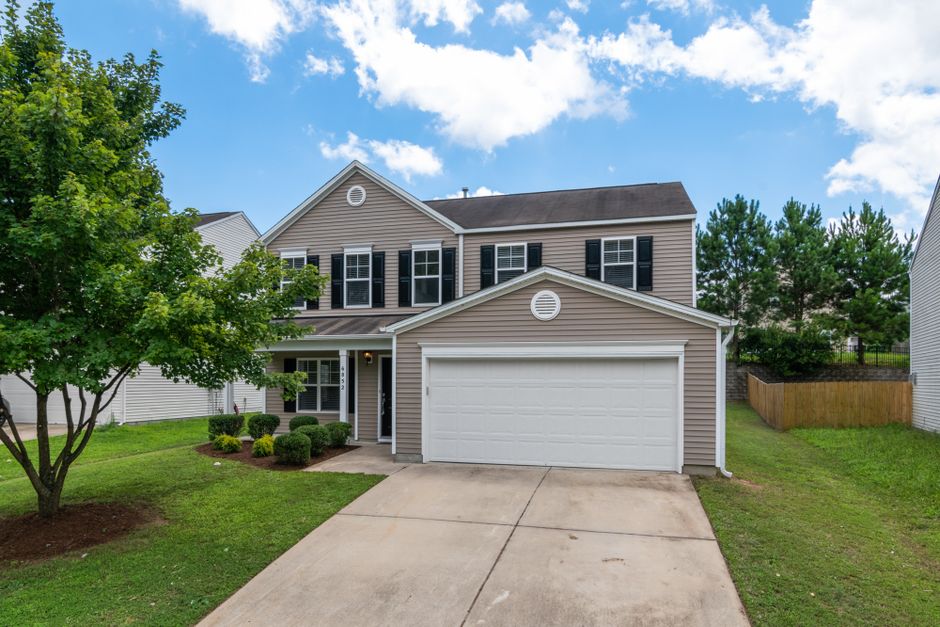
I’ll never forget when the Harrison family called our office, devastated after a Florida storm. A massive branch had crashed through their detached garage roof, and they were facing a $13,000 gap in their insurance coverage. They had a beautiful $35,000 custom-built detached garage, but their policy only covered $22,000 of the damage because of their “Other Structures” limit.
This story plays out all too often in our office. Most homeowners don’t realize how significantly their garage’s location affects their insurance protection until they’re filing a claim.
Let’s break down what you need to know about the insurance cost attached or detached garage differences:
| Factor | Attached Garage | Detached Garage |
|---|---|---|
| Construction Cost | $30,000-$40,000 (2-car) | $33,000-$46,000 (2-car) |
| Insurance Category | Dwelling Coverage (A) | Other Structures (B) |
| Typical Coverage Limit | 100% of rebuild cost | 10% of dwelling limit |
| Premium Impact | Included in main structure | May need additional coverage |
| Deductible | Home deductible applies | Same deductible as home |
Building a detached garage typically costs 10-15% more than an attached one. You’ll need four complete walls instead of three, plus separate utility connections. The irony? This more expensive structure often receives less insurance coverage by default, creating a potential protection gap that catches many homeowners by surprise.
What Makes a Garage “Attached”?
An attached garage isn’t just physically connected to your home – it’s financially connected to your insurance coverage too.
Your garage qualifies as “attached” when it shares at least one wall with your main house. These garages typically feature a door leading directly into your home, a shared or integrated roofline, and common utility systems. The biggest insurance advantage? Attached garages fall under your dwelling coverage (Coverage A), meaning they receive the full replacement cost protection of your home policy.
As Susan Meyer, a claims specialist I work with, puts it: “When you insure your home for $300,000, that includes rebuilding your attached garage after a covered loss. There’s no separate limit to worry about.”
What Counts as “Detached”?
A detached garage stands completely independent from your house – and that independence extends to how it’s insured, too.
These standalone structures typically sit anywhere from a few feet to several yards from your home. They have their own foundation, four complete exterior walls, and separate utility connections. From an insurance perspective, detached garages fall under “Other Structures” coverage (Coverage B), alongside things like sheds, fences, and gazebos.
Here’s the critical part: this classification typically limits coverage to just 10% of your dwelling coverage. So if your home is insured for $300,000, your insurance would only cover up to $30,000 for your detached garage by default. For a basic garage, that might be sufficient. But for a custom-built space with premium features? You could face a serious coverage shortfall.
The flexibility of a detached garage comes with trade-offs – more building costs upfront and potentially more insurance cost attached or detached garage considerations to manage. But understanding these differences gives you the power to make informed choices about your coverage needs.
2. Coverage Buckets: Dwelling vs. Other Structures

When it comes to protecting your garage, insurance companies don’t see all structures equally. The way your garage connects (or doesn’t) to your home determines everything about how it’s covered.
Let me break this down in a way that might save you thousands.
Your attached garage enjoys the full protection of Coverage A (Dwelling), while that charming detached garage falls under Coverage B (Other Structures). This distinction isn’t just paperwork—it directly impacts your wallet when disaster strikes.
Coverage A: Dwelling Protection
Think of Coverage A as the premium protection plan. Your attached garage nestles under this umbrella because insurance companies view it as part of your home. This means:
Your attached garage receives full replacement cost coverage—no sub-limits to worry about. When the Martinez family’s attached garage was damaged in last year’s hurricane, their insurance covered the entire $42,000 rebuild under their dwelling protection. They paid one deductible and were back to normal within weeks.
“The beauty of an attached garage is simplicity,” says Tom Wilson, a claims adjuster I’ve worked with for years. “It’s covered just like your kitchen or living room would be—same deductible, same comprehensive coverage.”
Coverage B: Other Structures
That standalone garage sitting pretty in your backyard? It falls under Coverage B, which comes with some important limitations:
The most significant restriction is the 10% rule. Your detached garage’s coverage is typically capped at just 10% of your dwelling coverage limit. For a $300,000 home policy, that means only $30,000 for your detached garage.
The Johnsons learned this lesson the hard way when their custom-built $45,000 detached garage was severely damaged by a fallen tree. Their policy limit for other structures was just $28,000, leaving them to cover the $17,000 difference out-of-pocket.
The good news? You’ll still only pay one deductible when filing a claim that involves both your home and detached structures. And your garage is protected against the same perils as your home.
For more detailed information about garage insurance costs, check out our guide on How Much Does Garage Insurance Cost?
Limits & Rebuild Costs You Must Know
Today’s construction costs might shock you if you haven’t built anything recently. Here’s what you need to consider:
Current replacement cost matters tremendously. With lumber and labor costs fluctuating wildly in recent years, the national average for building a detached garage now hovers around $26,400, with many high-end models exceeding $50,000.
The dreaded 80% rule catches many homeowners by surprise. Most policies require you to insure your home for at least 80% of its replacement value. Fall short, and you could face painful co-insurance penalties.
I recently helped a client whose $400,000 home was insured for only $300,000. When a fire damaged their attached garage, the insurance company reduced their payout by 25%—the same percentage they were underinsured.
Cost per square foot for garage construction typically ranges from $40-$70 depending on materials and finishes. A standard two-car garage requires about 576 square feet, translating to $23,000-$40,000 in rebuild costs.
Don’t forget about inflation guard protection. Construction costs have skyrocketed by over 20% in many areas since 2020. While many policies include automatic inflation adjustments, these often lag behind actual market increases.
“The biggest mistake I see,” shares Maria Lopez, one of our senior agents, “is homeowners assuming their coverage automatically keeps pace with construction costs. Without an annual review, you could be severely underprotected.”
Understanding the insurance cost attached or detached garage differences isn’t just about saving money—it’s about preventing a financial crisis when you’re most vulnerable.
3. Premium Drivers You Can Control

When it comes to managing your insurance cost attached or detached garage, you have more control than you might think. I’ve seen countless homeowners reduce their premiums by making smart choices about their garage features and construction.
Size Matters
Your garage’s square footage directly impacts both what it costs to build and insure. I remember working with the Johnson family who upgraded from a two-car to a three-car detached garage last year. They were surprised to learn they needed to increase their Other Structures coverage from the standard 10% to 15% of their dwelling coverage. The premium bump was modest, but necessary to protect their investment.
Most homeowners choose between a few standard sizes:
A one-car garage at about 264 square feet (12′ x 22′) requires minimal coverage, while a standard two-car garage nearly doubles that at 576 square feet (24′ x 24′). If you’re considering a three-car garage at 864 square feet (36′ x 24′), each additional square foot increases both replacement cost and potential premium.
Construction Type & Materials
The materials you choose for your garage walls matter tremendously to insurers. Brick and masonry construction typically earns lower premiums because they resist fire better, though they cost more upfront. Wood frame garages are cheaper to build but may trigger higher premiums due to increased fire risk. Metal garages fall somewhere in between.
As one property underwriter told me recently, “Homes and garages built with sturdy, long-lasting materials face less risk of damage and therefore qualify for lower premiums.” It’s a simple principle that applies to both attached and detached structures.
Roof Construction
Your garage roof choice can significantly impact your insurance cost attached or detached garage. Standard asphalt shingles receive standard coverage at moderate cost, but consider the Martinez family in Colorado who installed a Class 4 impact-resistant roof on their detached garage. They received a 5% discount on their Other Structures premium simply because the roof better withstands hail damage.
Metal roofing often qualifies for discounts due to its durability and fire resistance. If you’re rebuilding or constructing a new garage, these premium-reducing options are worth discussing with your contractor.
Security Features
Smart security investments can directly lower your insurance premiums. Monitored alarm systems, smart garage door openers that alert your phone when the door opens, motion-activated lighting, and reinforced doors all reduce theft and vandalism risk.
I’ve seen insurers offer discounts of 2-5% for comprehensive security measures on garages that store valuable items. These features not only protect your belongings but can pay for themselves over time through premium reductions.
Fire Hydrant & Station Proximity
Where your garage sits relative to fire protection services dramatically affects your rates. Properties within 1,000 feet of a hydrant and 5 miles of a staffed fire station typically qualify for lower premiums. Beyond these distances, expect higher rates due to increased fire damage risk.
This factor matters equally for both insurance cost attached or detached garage situations, though detached garages positioned farther from the home might trigger additional concerns from underwriters.
Florida & Regional Hazards Impacting insurance cost attached or detached garage
Living in Florida creates unique insurance considerations for your garage. Hurricane risk makes wind mitigation features particularly valuable – the Jackson family in Miami installed hurricane-rated garage doors on their detached structure and qualified for a substantial wind mitigation credit, reducing their overall premium by nearly 15%.
Flood zones also matter tremendously, as standard homeowners policies exclude flood damage. If your detached garage sits in a flood zone, you’ll need separate flood insurance coverage to fully protect it.
For Florida homeowners, wind mitigation credits offer the biggest potential savings. Features like hurricane straps, reinforced garage doors, and impact-resistant windows can dramatically reduce premiums.
Beyond Florida, regional risks create different priorities. In wildfire zones, maintaining defensible space around detached garages may qualify for premium discounts. Earthquake regions require separate coverage since standard policies exclude earthquake damage. And in Tornado Alley, impact-resistant materials and reinforced construction can mean significant savings.
According to the latest research on detached garage costs, investing in code-plus construction features that exceed minimum building requirements typically pays off through both improved durability and lower insurance premiums over time.
4. Contents & Business Use — Hidden Price Tags

What you store in your garage—and how you use the space—can dramatically impact your insurance cost attached or detached garage coverage needs, often in ways homeowners don’t anticipate until it’s too late.
Personal Property Coverage Gaps
That beautiful collection of power tools you’ve built over the years? Your standard homeowners policy might not fully protect them. Just ask the Thompson family, who learned this lesson the hard way when their $8,000 professional-grade table saw in their detached garage wasn’t fully covered after a fire. Their policy had a $2,500 sub-limit for tools, leaving them with a significant out-of-pocket expense.
Standard homeowners policies include personal property coverage, but they come with important limitations that many garage owners overlook. Tools and equipment often have specific sub-limits that can be surprisingly low. High-value items like specialized woodworking tools or mechanics’ equipment frequently exceed standard coverage limits. And don’t forget that many policies only pay actual cash value (depreciated value) rather than replacement cost for damaged items.
“I’ve seen too many homeowners devastated to learn their prized tool collection wasn’t adequately covered,” says Maria Gonzalez, a claims specialist. “That $5,000 professional mechanic’s tool chest might only be covered for $1,500 under a standard policy.”
Vehicle Considerations
That classic car you’re restoring in your garage? Your homeowners policy won’t cover it—not even a little bit.
Vehicles stored in garages create unique insurance considerations that often confuse homeowners. Your standard cars and trucks are covered by auto insurance, not homeowners insurance, even when damaged by a garage fire. Recreational vehicles like ATVs, golf carts, and snowmobiles typically need separate coverage or specific endorsements. And those collector vehicles you’ve lovingly restored often require specialized insurance that recognizes their unique value.
“One of the most common misconceptions I encounter is homeowners believing their garage insurance automatically covers vehicles inside,” explains an insurance specialist. “That restored ’67 Mustang needs its own specialized coverage, regardless of where it’s stored.”
Business Use Exclusions
When Mark started selling custom furniture made in his detached garage workshop, he was shocked to find his homeowners insurance would no longer cover his tools, materials, or liability. His small side hustle had inadvertently created a massive coverage gap.
Using your garage for business purposes creates significant complications for your insurance cost attached or detached garage considerations. Most standard homeowners policies explicitly exclude business activities, meaning that workshop where you make items to sell online might not be covered at all. Service businesses like auto repair, woodworking services, or other commercial activities typically require commercial insurance. Even a home-based business operating from your garage often needs additional coverage.
“The line between hobby and business can be surprisingly thin,” notes insurance advisor Pat Chen. “If you’re making any income from activities in your garage, you should have a conversation with your agent about proper coverage.”
Liability Exposure
Garages create unique liability risks that many homeowners underestimate. The slip and fall hazards are significant, especially in regions with ice and snow. Tool-related injuries can occur when friends or family members use your equipment. Even the chemical storage typical in most garages—paints, solvents, and automotive fluids—creates additional hazards that could lead to liability claims.
“Your garage is often one of the most dangerous areas of your property from a liability perspective,” cautions a risk management expert. “The combination of tools, chemicals, and uneven surfaces creates numerous opportunities for accidents.”
Policy Endorsements & Add-Ons to Watch
To address these coverage gaps, consider these policy modifications that can help properly protect your garage and its contents:
Increased Other Structures Limit: If your detached garage value exceeds the standard 10% of dwelling coverage, you can purchase additional coverage to ensure full protection. The Martinez family increased their Other Structures coverage from 10% to 15% after building a custom detached garage, paying only a modest additional premium for significantly improved protection.
Scheduled Personal Property: For those expensive tools or specialty equipment, scheduling them specifically on your policy ensures full coverage without sub-limits. This is particularly important for collections that have grown over time.
Business Use Endorsement: Some insurers offer limited business coverage endorsements for incidental business activities, which can be a cost-effective solution for side hustles operating from your garage.
Equipment Breakdown Coverage: This often-overlooked endorsement covers failure of systems like refrigerators, freezers, or specialized equipment that might be housed in your garage.
Flood Insurance: Essential for garages in flood zones, as standard policies exclude flood damage, regardless of whether your garage is attached or detached.
Understanding these hidden price tags is essential to properly protecting your garage and its contents. The right endorsements can make the difference between full recovery after a loss and devastating out-of-pocket expenses that could have been avoided with proper planning.
5. Savings Playbook: How to Lower the Insurance Cost Attached or Detached Garage

Let’s face it—insurance isn’t exactly the most thrilling monthly expense, but it’s one of the most important. The good news? You don’t have to accept sky-high premiums for your garage coverage. I’ve helped hundreds of homeowners slash their insurance cost attached or detached garage premiums while maintaining robust protection.
Smart Discounts to Ask For
When Sarah and Mark from Tampa called me about their rising premiums, they were shocked to learn they weren’t taking advantage of several discounts. Their newly installed security cameras and smoke detectors in their detached garage qualified them for nearly 12% in savings!
Security upgrades are among the easiest ways to reduce your premiums. Most insurers offer 5-10% discounts for monitored alarm systems that include garage coverage. Smart garage door openers that alert you to unauthorized access not only provide peace of mind but can fatten your wallet through insurance savings.
I always tell my clients about construction discounts because they’re often overlooked. When the Johnsons rebuilt their garage roof with Class 4 impact-resistant shingles after a storm, they didn’t realize this qualified them for a significant discount. Fire-resistant materials like brick and concrete can also lower your insurance cost attached or detached garage coverage, especially for attached structures.
“My premium dropped nearly $200 annually after installing fire-rated doors between my attached garage and kitchen,” reports Michael from Orlando. “The insurance company saw it as reducing the risk of house fires spreading from the garage.”
Protective devices deliver dual benefits—they safeguard your property while trimming your insurance bill. Water leak detectors are particularly valuable for garages with plumbing, while automatic gas shutoff valves protect workshops with gas heaters or appliances.
Being claims-free remains one of the most powerful ways to keep premiums low. Consider this: a $600 garage window repair might cost you thousands in premium increases over several years if you file a claim. I recommend clients establish a small emergency fund specifically for minor repairs that fall below or slightly above their deductible.
Bundling & Re-Shopping for better insurance cost attached or detached garage
When the Martinez family came to me, they had separate policies for everything—home, autos, motorcycle, and even a small business policy for their garage-based craft business. By bundling everything with one carrier, they saved a whopping 18% across all their coverages.
Multi-policy discounts typically save homeowners 10-15% when they combine home and auto insurance. Many people don’t realize that adding umbrella liability coverage—which provides crucial extra protection for garage-based accidents—often triggers additional discounts that nearly offset its cost.
I recommend an annual policy review to all my clients. Last year, James finded his detached woodworking shop was significantly underinsured due to skyrocketing lumber prices. During our review, we not only adjusted his coverage but also identified new discounts for the security lighting he’d installed.
The insurance market changes constantly, which is why competitive quotes matter. Independent agents like those at PIA Insurance Agency can compare multiple carriers to find the best insurance cost attached or detached garage options. Online comparison tools provide quick estimates, but they often miss nuanced discount opportunities that a human agent will catch.
The Henderson family had been with the same insurer for 12 years when we helped them shop around. They were stunned to find comparable coverage for their home and custom detached garage at nearly 23% less than their renewal quote.
Deductible adjustments offer another straightforward savings approach. Raising your deductible from $500 to $1,000 typically reduces premiums by 10-15%. Just be sure you have that higher amount set aside in an emergency fund. I’ve seen too many homeowners struggle to come up with their deductible after a loss.
“We recommend homeowners evaluate their deductible strategy annually,” notes a risk management specialist at PIA Insurance Agency. “The right deductible balances premium savings against your financial ability to cover out-of-pocket costs after a loss.”
The cheapest policy isn’t always the best value. The goal is finding the sweet spot where quality coverage meets affordable premiums. A quick consultation with an insurance professional who understands the nuances of insurance cost attached or detached garage coverage can often uncover savings you didn’t know existed—without sacrificing the protection your property deserves.
Frequently Asked Questions about Garage Insurance Costs
Does homeowners insurance automatically cover the contents inside my garage?
Yes, your personal belongings in both attached and detached garages are generally covered under your policy’s personal property coverage (Coverage C). This typically amounts to 50-70% of your dwelling coverage. But before you breathe that sigh of relief, there’s a catch many homeowners find too late.
Your policy likely includes specific sub-limits for common garage items. For instance, that expensive tool collection might have a total coverage limit of just $1,500-$2,500, regardless of its actual value. Similarly, your sporting equipment, electronics, and especially any business-related items often come with strict coverage caps.
I recently helped a client who lost $8,000 worth of woodworking tools in a garage fire, only to find his policy would only pay $2,000 for tools. The remaining $6,000 came straight from his pocket – an expensive lesson in understanding policy limitations.
The smart approach? Take a complete inventory of everything in your garage with photos and estimated replacement costs. Then talk with your agent about scheduling high-value items through policy endorsements to ensure they’re fully protected. This small step can save you thousands if disaster strikes.
Will using my garage as a workshop raise my premium?
The answer depends on what you’re doing in that workshop. If you’re simply pursuing weekend hobbies like woodworking or restoring furniture for personal enjoyment, your insurance cost attached or detached garage typically won’t increase. Insurance companies generally don’t penalize you for personal workshop activities unless they involve unusual hazards like welding or extensive chemical use.
However, the moment your garage workshop becomes a source of income, everything changes. Using your garage for business activities usually requires additional coverage beyond a standard homeowners policy:
For occasional small business use, a home-based business endorsement might suffice. For significant business operations – like regularly selling handcrafted furniture or offering repair services – you’ll likely need a commercial policy. And if customers visit your garage workshop, you’ll need coverage for that increased liability exposure.
As one client told me after starting a small woodworking business: “I had no idea my homeowners policy wouldn’t cover my tools once I started selling my creations online. I’m just glad I found out before something happened.”
The bottom line: always be transparent with your insurer about how you’re using your garage space. It’s better to pay a slightly higher premium than find you have no coverage when you need it most.
Can I increase Coverage B beyond the default 10%?
Absolutely! Most insurers are happy to increase your Other Structures coverage beyond the standard 10% of dwelling coverage – and for many homeowners with detached garages, this is essential protection worth every penny.
Consider this scenario: Your home is insured for $300,000, giving you $30,000 in standard Coverage B protection. But your custom-built detached garage with upgraded electrical and climate control would cost $50,000 to rebuild today. Without increasing your Coverage B limit, you’d face a $20,000 gap if disaster struck.
Increasing your Coverage B to 15% or 20% of your dwelling coverage usually adds only a modest amount to your premium while significantly boosting your protection. Some insurers also offer the option to schedule your detached garage as a separately listed structure with its own specific coverage amount.
This strategy is particularly important if:
– Your detached garage features high-end finishes or systems
– You’ve recently upgraded or expanded your garage
– Your property includes multiple detached structures that collectively exceed the 10% default limit
One Florida homeowner I worked with increased his Coverage B from 10% to 20% after building a hurricane-resistant detached garage with a second-floor workshop. The additional annual premium was less than $100 – a small price for doubling his protection.
Don’t assume the standard 10% is enough. Talk to your agent about right-sizing your Coverage B limit to match your actual detached garage value.
Conclusion
When it comes down to it, understanding the insurance cost attached or detached garage difference could save you thousands of dollars and countless headaches after a loss. The distinction is straightforward but crucial: your attached garage enjoys the full protection of your dwelling coverage, while that charming detached workshop is limited to that often-insufficient 10% slice of “Other Structures” coverage.
After helping hundreds of Florida homeowners steer these waters, I’ve seen the relief on people’s faces when they find these differences before a claim—rather than after.
Here’s what matters most for protecting your investment:
First, recognize how coverage categories create vastly different protection levels. Your attached garage is wrapped in the comfortable blanket of Coverage A with full replacement protection, while your detached garage might be left partially exposed under Coverage B’s more limited umbrella.
Second, construction reality creates an ironic gap—detached garages typically cost more to build but receive less default insurance coverage. This disconnect catches many homeowners by surprise when disaster strikes.
Third, don’t overlook what’s inside your garage. Those expensive tools, recreational equipment, and cherished projects often bump against personal property sub-limits you didn’t know existed. A detailed inventory now can prevent disappointment later.
Fourth, any business activities in your garage—from occasional Etsy sales to full-blown auto repair—fundamentally change your coverage needs. Standard policies simply weren’t designed for commercial exposure.
Fifth, your location matters enormously. Here in Florida, our garages face unique threats from wind, flood, and hurricanes that require specialized protection strategies and mitigation discounts.
Finally, substantial savings are within reach through smart discounts, security improvements, and policy bundling. The insurance cost attached or detached garage difference can be managed with some strategic planning.
At PIA Insurance Agency, we don’t just sell policies—we help you steer these complex waters with clear, straightforward guidance. Our team specializes in identifying those coverage blind spots before they become expensive problems. We’ll take the time to understand how you actually use your garage space and design protection that matches your real-world needs.
Don’t wait until you’re filing a claim to find your garage coverage falls short. Contact us today for a friendly, no-pressure conversation about ensuring your garage—whether it’s attached or detached—has the protection you and your family deserve.