
Safeguarding Your HVAC Business: The Importance of General Liability Insurance
General liability insurance for HVAC contractors is crucial for protecting your business from financial ruin due to accidents and property damage. Whether you’re an independent contractor or running a larger company, this insurance shields you from common risks associated with the HVAC industry. Here’s a quick overview of what this insurance covers:
- Bodily Injury: Medical bills if someone gets hurt on your job site.
- Property Damage: Costs for accidental damage to client property.
- Advertising Injury: Protection against claims of libel or copyright infringement.
- Legal Defense Costs: Covers expenses for defending lawsuits.
The HVAC industry is fraught with risks. Installing heavy systems, handling electrical components, and working in client homes can lead to mishaps. General liability insurance ensures your business can withstand these challenges without facing financial devastation.
I’m Patti Yencho, an expert in HVAC business insurance with over 26 years of experience serving a multitude of families and businesses. Let’s explore why general liability insurance for HVAC contractors is essential in providing peace of mind and financial security.
General liability insurance for hvac contractors terms at a glance:
– general liability insurance for contractors in california
– general liability insurance for contractors in texas
– general liability insurance for roofing contractors
What is General Liability Insurance for HVAC Contractors?
General liability insurance for HVAC contractors acts as a safety net, protecting your business from financial losses due to accidents and other unforeseen events. Here’s what you need to know:
Definition
General liability insurance is designed to protect HVAC contractors from financial losses arising from accidents, property damage, and other liabilities that can occur during the course of business operations. Think of it as a shield that helps you handle unexpected incidents without draining your bank account.
Coverage
This type of insurance covers several key areas that are particularly important for HVAC contractors:
- Bodily Injury
- Property Damage
- Advertising Injury
Bodily Injury
Imagine you’re working on a client’s air conditioning unit, and a passerby trips over your tools. If they get injured, you could be held responsible for their medical bills. General liability insurance covers these medical costs, ensuring you don’t have to pay out of pocket.
Example: An HVAC technician in Texas faced a lawsuit when a client tripped over a toolbox. The general liability insurance covered the medical expenses and legal fees, saving the business thousands of dollars.
Property Damage
Accidents happen. You might accidentally damage a client’s property while installing or repairing HVAC systems. General liability insurance helps cover the repair or replacement costs, so you don’t have to worry about the financial burden.
Example: While installing a new air conditioning unit, an HVAC contractor accidentally damaged the siding of a client’s home. The insurance covered the repair costs, allowing the contractor to focus on completing the job without financial stress.
Advertising Injury
In today’s digital age, businesses often promote themselves online. Sometimes, these marketing efforts can unintentionally infringe on someone else’s copyright or defame another business. Advertising injury coverage helps manage the legal costs associated with such claims.
Example: An HVAC company used a slogan similar to a competitor’s, leading to a lawsuit for copyright infringement. The general liability insurance covered the legal fees, allowing the business to resolve the issue without significant financial loss.
Legal Defense Costs
Legal battles can be expensive, even if the claims against you are groundless. General liability insurance covers your legal defense costs, ensuring you have the resources to defend your business in court.
Example: A client sued an HVAC contractor, claiming improper installation of an air conditioning unit. The insurance covered the legal defense costs, allowing the contractor to focus on their business without the stress of mounting legal fees.
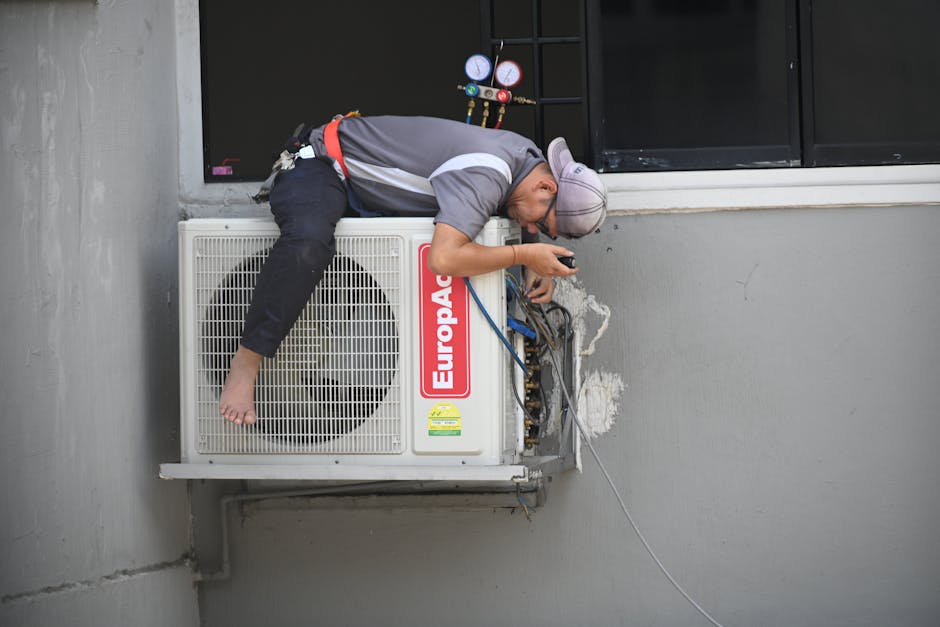
General liability insurance is essential for HVAC contractors. It provides peace of mind and financial security, allowing you to focus on growing your business without worrying about the unexpected.
Next, let’s dive into why HVAC contractors specifically need this type of insurance.
Why HVAC Contractors Need General Liability Insurance
HVAC contractors face unique risks daily, making general liability insurance a must-have. Here’s why:
Risk Exposure
HVAC work involves complex systems and heavy equipment. Whether you’re installing, maintaining, or repairing, there’s always a risk of accidents. Tools can fall, equipment can malfunction, and mistakes can happen. General liability insurance protects you from the financial fallout of these incidents.
Financial Protection
Accidents can be costly. Without insurance, you could be left paying for damages out of pocket. General liability insurance offers financial protection, covering costs related to property damage, bodily injury, and even legal fees.
Jobsite Injuries
Injuries can occur on any job site. For example, a passerby might trip over your tools, or a client could get injured while inspecting your work. General liability insurance covers medical expenses and any potential legal claims, ensuring you’re not financially liable.
Example: An HVAC technician in Florida faced a lawsuit when a client tripped over a toolbox. The insurance covered the medical bills and legal fees, saving the business thousands of dollars.
Property Damage
Accidental damage to a client’s property is a common risk. Whether it’s a scratched floor or a broken window, these incidents can be expensive to fix. General liability insurance helps cover these costs, so you can focus on your work without financial stress.
Example: During an installation, an HVAC contractor accidentally damaged a client’s wall. The insurance covered the repair costs, allowing the contractor to complete the job without financial strain.
Theft
HVAC contractors often work with expensive tools and equipment. Theft can be a significant financial setback. While general liability insurance covers many risks, you might also consider adding tools and equipment insurance to protect against theft.
Legal Costs
Legal battles can drain your finances. Even if the claims are unfounded, the costs of defending your business in court can be substantial. General liability insurance covers legal defense costs, helping you handle lawsuits without breaking the bank.
Example: An HVAC company was sued for allegedly installing the wrong air conditioning unit. The general liability insurance covered the legal defense costs, allowing the company to focus on their business operations.
General liability insurance is not just a safety net; it’s a vital part of running a secure and professional HVAC business. It protects you from a variety of risks, so you can concentrate on what you do best—serving your clients.
Next, let’s explore the basic coverages included in general liability insurance.
Basic Coverages Included in General Liability Insurance
When running an HVAC business, you need to be prepared for unexpected incidents. General liability insurance for HVAC contractors offers a range of coverages to protect your business from various risks. Let’s break down the key coverages included:
Bodily Injury
Bodily injury coverage is essential for any business that interacts with the public. Imagine a scenario where a client trips over your tools and gets injured. This coverage helps pay for their medical expenses and any legal fees if they decide to sue.
Example: An HVAC technician in Florida faced a lawsuit when a client tripped over a toolbox. The insurance covered the medical bills and legal fees, saving the business thousands of dollars.
Property Damage
Property damage coverage protects you when your business activities cause harm to someone else’s property. For instance, if you accidentally damage a client’s wall while installing an HVAC system, this insurance can cover the repair costs.
Example: During an installation, an HVAC contractor accidentally damaged a client’s wall. The insurance covered the repair costs, allowing the contractor to complete the job without financial strain.
Advertising Injury
Advertising injury coverage protects your business from claims of non-physical damage, such as defamation or copyright infringement. If you’re accused of making false statements in your advertisements or using copyrighted material without permission, this coverage can help with legal costs and settlements.
Example: If your advertisement uses a photo without proper licensing and the photographer sues, this coverage can help cover the legal expenses and any settlements.
Completed Operations
Completed operations coverage is crucial for HVAC contractors. It covers claims of property damage or bodily injury that arise after you’ve finished a job. This is particularly important for HVAC work, where issues can emerge long after the installation or repair is complete.
Example: A client claims that a newly installed HVAC system caused water damage months after the installation. Completed operations coverage would help pay for the repairs and any legal costs associated with the claim.
General liability insurance provides a comprehensive safety net for HVAC contractors, covering a wide range of potential risks. With the right coverage, you can focus on growing your business, knowing that you’re protected against the unexpected.
Next, let’s explore additional insurance coverages that HVAC contractors should consider.
Additional Insurance Coverages for HVAC Contractors
While general liability insurance for HVAC contractors offers essential protection, it’s not enough on its own. HVAC businesses face various risks that require additional coverages. Here are some critical insurance policies you should consider:
Commercial Auto Insurance
If your HVAC business uses vehicles for transporting tools, equipment, or personnel, commercial auto insurance is a must. Personal auto policies won’t cover business-related accidents, leaving you vulnerable.
Example: An HVAC technician in Texas was involved in a minor road accident while driving to a job site. The commercial auto policy covered the repair costs and medical expenses, ensuring the business didn’t incur out-of-pocket expenses.
Workers’ Compensation
Most states require workers’ compensation insurance for businesses with employees. This coverage is crucial as it helps cover medical expenses and lost wages if an employee gets injured on the job.
Example: In California, an HVAC worker suffered a back injury while lifting a heavy unit. Workers’ comp covered the medical bills and a portion of the worker’s lost wages, preventing a financial burden on the business.
Business Owner’s Policy (BOP)
A Business Owner’s Policy (BOP) combines general liability and commercial property insurance in one cost-effective package. This is particularly beneficial for small to medium-sized HVAC businesses.
Example: An HVAC contractor in New York opted for a BOP, which provided both general liability and property coverage. When a fire damaged their office, the BOP covered the repair costs and the replacement of essential tools.
Equipment Breakdown Insurance
HVAC businesses rely heavily on specialized tools and equipment. Equipment breakdown insurance covers the cost of repairing or replacing equipment that breaks down due to mechanical or electrical issues.
Example: An HVAC company in Ohio experienced a sudden failure of their diagnostic equipment. The equipment breakdown insurance covered the repair costs, allowing the business to resume operations quickly.
Adding these coverages to your insurance portfolio can provide comprehensive protection for your HVAC business. Each policy addresses specific risks, ensuring that you’re covered from all angles.
Next, we’ll look at the factors affecting the cost of general liability insurance.
Factors Affecting the Cost of General Liability Insurance
When it comes to general liability insurance for HVAC contractors, several factors influence the cost. Understanding these can help you manage expenses and ensure you get the right coverage for your business.
Claims History
Your claims history is a significant factor in determining your insurance premiums. A history of frequent claims can signal higher risk to insurers, leading to increased premiums. Conversely, a clean claims history can qualify you for discounts.
Example: If an HVAC contractor has had multiple claims for property damage or injuries in the past, their insurance cost will likely be higher than a contractor with no claims.
Coverage Needs
The level of coverage you choose also impacts the cost. Higher coverage limits provide more protection but come with higher premiums. It’s crucial to find a balance between adequate coverage and affordability.
Tip: Assess your business’s specific risks and choose coverage limits that protect you without overpaying.
Risk Exposure
The nature of your work significantly affects your insurance costs. HVAC contractors face various risks, including jobsite injuries, property damage, and equipment theft. The more hazardous your work, the higher your premiums.
Example: An HVAC business that frequently works in high-risk environments, like construction sites, will have higher insurance costs compared to one that primarily does residential work.
Business Size
The size of your business, including the number of employees and revenue, plays a role in your insurance premiums. Larger businesses typically have more extensive operations and higher risk exposure, leading to higher premiums.
Fact: More employees mean more potential for workplace accidents, which can increase your workers’ compensation and general liability insurance costs.
Location
Where your business operates can influence your insurance costs. Urban areas with higher population densities and litigation rates often have higher premiums than rural areas. Additionally, state regulations and local risks, like natural disasters, can impact costs.
Example: An HVAC business in a busy city like New York may pay more for insurance than a similar business in a small town due to higher risks and regulatory requirements.
By understanding these factors, you can take steps to manage and potentially reduce your general liability insurance costs. Whether it’s improving safety protocols, adjusting coverage levels, or maintaining a clean claims history, being informed helps you make better decisions for your HVAC business.
Next, we’ll explore how to choose the best general liability insurance for your HVAC business.
How to Choose the Best General Liability Insurance for Your HVAC Business
Selecting the right general liability insurance for HVAC contractors can be a daunting task. Here are some key factors to consider to ensure you get the best coverage for your business.
Coverage Options
When choosing insurance, it’s important to understand what is covered. Look for policies that include:
- Bodily Injury: Covers medical expenses if someone is injured due to your work.
- Property Damage: Protects against claims if you damage someone’s property.
- Advertising Injury: Covers claims related to advertising, such as defamation.
- Completed Operations: Covers liability for work you’ve completed.
Tip: Make sure the policy covers the specific risks associated with HVAC work, like installation errors or equipment damage.
Premium Costs
The cost of insurance is a significant consideration. Premiums can vary based on several factors, including:
- Claims History: A history of claims can increase your premiums.
- Coverage Limits: Higher limits mean higher costs.
- Risk Exposure: More hazardous work environments lead to higher premiums.
Example: An HVAC contractor with multiple claims in the past will likely pay more than one with a clean record.
Insurer Reputation
Choosing a reputable insurer is crucial. Look for companies with strong financial stability and positive customer reviews. Check ratings from independent agencies like AM Best and Fitch to gauge the insurer’s reliability.
Fact: A financially stable insurer is more likely to pay claims promptly and fairly.
Policy Limits
Policy limits determine the maximum amount your insurer will pay for a claim. There are two types of limits:
- Per-Occurrence Limit: The maximum payout for a single incident.
- Aggregate Limit: The total payout for all claims within the policy period.
Tip: Ensure the limits are high enough to cover potential risks but not so high that they become unaffordable.
Exclusions
Every insurance policy has exclusions—specific situations or damages that are not covered. Common exclusions for HVAC contractors might include:
- Floods and Earthquakes: Often require separate policies.
- Intentional Acts: Damages caused intentionally are not covered.
- Employee Injuries: Covered by workers’ compensation, not general liability.
Example: If your policy excludes coverage for certain types of equipment damage, you might need additional insurance.
By carefully considering these factors, you can choose the best general liability insurance for your HVAC business. This ensures you have the protection you need without overpaying or leaving gaps in your coverage.
Next, we’ll answer some frequently asked questions about general liability insurance for HVAC contractors.
Frequently Asked Questions about General Liability Insurance for HVAC Contractors
What is the general liability code for HVAC?
The general liability code for HVAC work is 95647. This code applies to heating, ventilation, and air conditioning work, and it helps insurers accurately assess the risks associated with your business. Using the correct code ensures that your policy is custom to the specific hazards of HVAC work, such as handling heavy equipment and working with electrical systems.
What does general liability insurance for contractors mean?
General liability insurance for contractors provides financial protection against several types of claims that can arise from your business operations. Here’s a breakdown of what it covers:
- Bodily Injury: If someone gets hurt on your job site, this part of your policy helps cover their medical bills.
- Property Damage: Accidentally damaged a client’s property? This coverage helps pay for repairs or replacement.
- Advertising Injury: Protects against claims of slander, libel, or copyright infringement.
- Legal Defense Costs: If you’re sued, your policy can help cover the costs of defending your business in court.
Imagine you’re installing a new HVAC system and accidentally cause a leak that damages a client’s home. General liability insurance would cover the repair costs, so you don’t have to pay out of pocket.
What type of insurance is commercial general liability?
Commercial General Liability (CGL) insurance is a type of business liability insurance. It protects businesses from financial loss due to claims of bodily injury, personal injury, and property damage. These claims can arise from your business’s operations, products, or incidents that occur on your business premises.
Here’s a quick look at what CGL insurance covers:
- Bodily Injury: Injuries to third parties caused by your business operations.
- Property Damage: Damage to third-party property resulting from your business activities.
- Personal and Advertising Injury: Claims such as libel, slander, and false advertising.
- Legal Defense Costs: Attorney fees, court costs, and settlements for covered claims.
- Medical Payments: No-fault coverage for minor injuries on your business premises.
For example, if a passerby trips over your tools and gets injured, CGL insurance can help cover their medical expenses and any legal fees if they decide to sue.
These FAQs should help clarify key aspects of general liability insurance for HVAC contractors. Next, we’ll dive into the conclusion and the importance of adequate coverage for your HVAC business.
Conclusion
In the HVAC industry, the risks are real and numerous. From jobsite injuries to accidental property damage, the financial impact can be significant. This is where general liability insurance for HVAC contractors becomes essential.
Summary
General liability insurance provides crucial protection against common risks. It covers bodily injury, property damage, and even advertising injury. This means if someone gets hurt on your job site or if you accidentally damage a client’s property, your insurance has you covered. Without it, you could face hefty out-of-pocket expenses that could cripple your business.
Importance of Coverage
Having the right coverage is more than just a safety net; it’s a business necessity. Adequate coverage ensures that when things go wrong, you’re not left dealing with financial ruin. For example, if a client’s home is damaged while you’re installing an HVAC system, general liability insurance will cover the repair costs.
PIA Insurance Agency
At PIA Insurance Agency, we understand the unique challenges HVAC contractors face. Our goal is to provide you with custom insurance solutions that fit your specific needs. We don’t just sell policies; we partner with you to manage risks effectively.
Custom Solutions
Every HVAC business is different, and so are the risks. We take the time to analyze your specific needs and customize your coverage. Whether you’re a small business with a few workers or a larger operation, we ensure you have the right protection.
Risk Management
Our role extends beyond providing insurance. We offer expert advice and guidance to help you steer the complexities of risk management. By staying updated on industry changes and evolving risks, we ensure your coverage remains relevant and comprehensive.
In conclusion, navigating the complexities of general liability insurance might seem daunting, but it’s essential for every HVAC contractor. Adequate coverage is not just a regulatory requirement; it’s a critical component of your business’s survival toolkit. And with PIA Insurance Agency by your side, you’re not just buying insurance; you’re investing in peace of mind.
Let us help you protect what you’ve worked so hard to build. Learn more about our custom insurance solutions for HVAC contractors.
