
Finding the Best Garage Insurance Quotes for Your Business
Garage insurance quotes provide customized coverage options for automotive businesses seeking protection against unique risks. To effectively compare quotes:
- Gather necessary information: Business location, revenue, employee count, inventory details
- Contact multiple providers: Aim for at least 3-5 quotes from reputable carriers
- Compare coverage types: Ensure quotes include garage liability, garage keepers, and other relevant coverages
- Review limits and deductibles: Higher deductibles typically mean lower premiums
- Check for exclusions: Understand what each policy doesn’t cover
- Verify financial strength: Choose carriers with strong AM Best ratings (A or better)
When seeking garage insurance quotes, it’s important to understand that automotive businesses face unique risks that standard business insurance policies don’t adequately address. Whether you run an auto repair shop, dealership, car wash, or towing service, you need specialized coverage that protects both your business operations and your customers’ vehicles while in your care.
The cost of garage insurance typically depends on several factors, including your business type, location, revenue, claims history, and the specific coverages you need. Most garage owners carry at least $1 million in liability coverage, with the average small business in the garage industry paying about $2,270 annually for a Business Owner’s Policy.
I’m Patti Yencho, and through over 26 years of helping Florida businesses secure comprehensive insurance protection, I’ve guided countless automotive service providers through the process of obtaining and comparing garage insurance quotes to build robust risk management plans. My “whole life or risk” approach ensures your garage business receives not just a policy, but a complete protection strategy custom to your specific needs.
Garage insurance quotes terms made easy:
– cost of garage keepers insurance
– how much does garage liability insurance cost
Why Comparing Quotes Matters
For automotive business owners, comparing garage insurance quotes isn’t just about finding the lowest price—it’s about finding the right protection at a fair price. One lawsuit could potentially bankrupt your automotive business without proper coverage. The average slip-and-fall settlement ranges between $10,000 and $50,000, which could be devastating for a small garage operation without adequate insurance.
Risk transfer—the process of shifting financial responsibility for specific risks to an insurance carrier—is essential for small business survival in the automotive industry. With nearly 18,000 nonfatal injuries and illnesses occurring in the auto repair and maintenance industry in 2022 alone, the importance of comprehensive coverage cannot be overstated.

Garage Insurance 101: Coverage, Business Types, and Key Policy Differences
Before we dive into the nitty-gritty of garage insurance quotes, let’s get comfortable with what garage insurance actually covers and who needs it.
Think of garage insurance as the specialized safety net designed specifically for businesses that sell, service, store, or park vehicles. It’s not your run-of-the-mill business insurance—it’s built to handle the unique risks that come with having other people’s vehicles under your care.
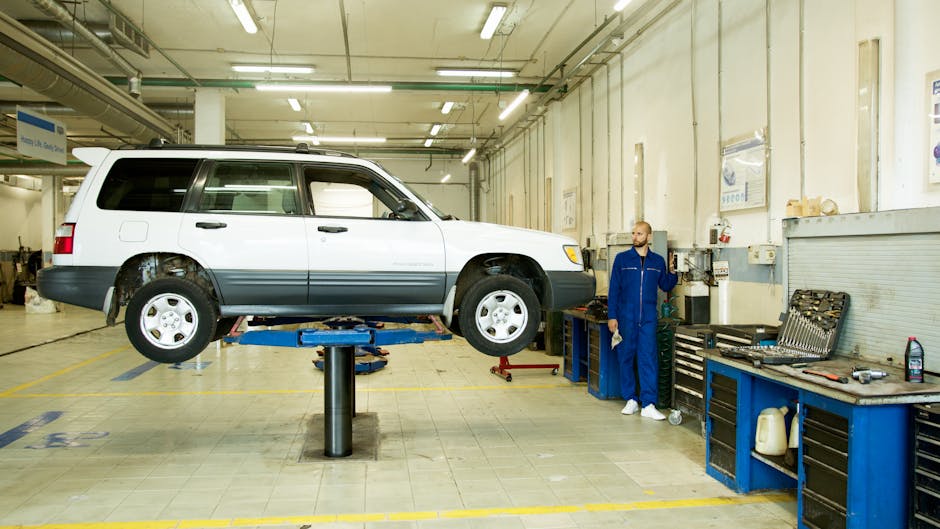
When oil spills on your shop floor and a customer takes a tumble, or when your technician accidentally scratches a customer’s prized Mustang during a test drive—these are the moments when standard business policies might leave you hanging. Garage insurance steps in to cover bodily injury, property damage, damage to customer vehicles, and damage to your own commercial property.
Core Coverages Every Garage Needs
When you’re comparing those garage insurance quotes, make sure they include these essential protections:
General Liability Insurance protects you when non-vehicle accidents happen, like when a customer trips over a tool box or a sign falls on their head.
Garage Keepers Insurance is your safety net for customer vehicles left in your care. Whether it’s theft, fire, vandalism, or your employee backing one car into another, this coverage has your back.
Commercial Auto Insurance covers the vehicles your business owns, from your courtesy shuttle to your tow truck.
Tools and Equipment Coverage protects those expensive diagnostic machines and specialty tools that keep your business running.
Products-Completed Operations coverage steps in when past work comes back to haunt you—like when a brake job you did three weeks ago fails and causes an accident.
I’ll never forget what Mike, a longtime client who owns a transmission shop in Tampa, told me: “I thought my general liability policy had me covered until a customer’s Corvette was stolen from my lot overnight. That’s when I learned the hard way about the difference between garage liability and garage keepers coverage. Now I make sure both are included in every quote I review.”
Who Must Carry Garage Insurance
If vehicles are part of your business equation, you likely need garage insurance. The businesses that should be shopping for garage insurance quotes include:
Auto repair and body shops need coverage for vehicles they’re working on. Car dealerships—both new and used—need protection for their inventory and test drives. Detailing businesses, car washes, service stations, and tire shops all handle other people’s vehicles regularly. Towing operations need special coverage for vehicles while they’re being transported. Valet services, mobile mechanics, parking garages, vehicle storage facilities, and impound lots all face unique vehicle-related risks.
Each business type faces different challenges. A towing company needs on-hook coverage that a detail shop doesn’t, while a dealership needs coverage for dozens of vehicles on their lot that a repair shop with limited space doesn’t require.
Key Policy Differences: Garage Liability vs. Garage Keepers
One of the biggest head-scratchers when comparing garage insurance quotes is understanding the difference between garage liability and garage keepers insurance. They sound similar but serve very different purposes:
Garage Liability Insurance covers third-party bodily injury and property damage from your garage operations. It includes coverage for vehicles your business owns but—and this is crucial—it does NOT cover customer vehicles in your care.
Garage Keepers Insurance specifically protects customer vehicles while they’re in your care, custody, or control. It shields against fire, theft, vandalism, and collision damage. You can choose between direct primary coverage (which pays regardless of who’s at fault) or legal liability coverage (which only pays if you’re legally responsible for the damage).
| Coverage Type | Garage Liability | Garage Keepers |
|---|---|---|
| Third-party bodily injury | ✓ | ✗ |
| Third-party property damage | ✓ | ✗ |
| Customer vehicles in your care | ✗ | ✓ |
| Business-owned vehicles | ✓ | ✗ |
| Legal defense costs | ✓ | ✓ |
| Faulty repairs liability | ✓ | ✗ |
Most garage businesses need both types of coverage for complete protection. Think of garage liability as protecting people and property around your business, while garage keepers specifically protects the vehicles customers trust you with.
Want to dig deeper? Visit our detailed guides on Garage Liability Insurance Policy and Garage Keepers Insurance for the full scoop.
Decoding Garage Insurance Quotes
When you open those envelopes containing your garage insurance quotes, it can feel like you’re reading a foreign language. All that industry jargon and complex terminology might make your head spin – but don’t worry, I’m here to help you make sense of it all.

Think of insurance quotes as your personalized risk assessment. The underwriters take a good look at your application details and weigh various factors to calculate your premium. They’re considering everything from where your shop is located to how many wrenches you have turning in the bays.
I recently spoke with a garage owner in Tampa who was shocked to learn that his location near a flood zone was significantly impacting his rates. “I had no idea my zip code could make such a difference,” he told me. This highlights why understanding these factors matters so much.
The Bureau of Labor Statistics reports that roadway incidents in automotive service cause workers to miss an average of 14 days of work. That’s two full weeks of lost productivity and potential income – a stark reminder of why proper coverage isn’t just a legal requirement, it’s a business essential.
What Data Do You Need for Garage Insurance Quotes?
Getting accurate garage insurance quotes starts with having your ducks in a row. You’ll need comprehensive information about your business operations ready to share.
Your business information forms the foundation – this includes your legal business name, structure (whether you’re an LLC, corporation, or sole proprietor), physical address, how long you’ve been at that location, your facility’s square footage, and any security measures you have in place. Those security cameras and that fancy alarm system? They could actually help lower your premium.
Next, underwriters want to know about your operations details – the services you provide, your annual revenue figures, payroll information, and details about your team. A transmission specialist client of mine noted, “Having my loss runs ready when requesting quotes saved me at least a week in the quoting process. Insurance companies want to see your claims history before they’ll offer competitive rates.”
For vehicle information, be prepared to discuss your inventory (especially important for dealerships), any business-owned vehicles, and the average value of customer vehicles typically on your premises. A luxury car repair specialist will face different premium considerations than someone primarily servicing older economy models.
Finally, your claims history tells insurers a story about your risk management. Have your loss runs for the past 3-5 years ready, along with details about any prior claims. A clean record can work wonders for your rates.
Cost Factors that Shape Garage Insurance Quotes
Understanding what influences your premium can help you make strategic decisions to secure better rates on your garage insurance quotes.
Your service type plays a major role – high-risk services like engine rebuilds typically cost more to insure than more routine services like oil changes or tire rotations. Similarly, your employee count impacts your premium; more hands working means more potential for something to go wrong.
The physical aspects of your business matter too. Your facility’s square footage directly correlates with property insurance costs, while your location factors in local crime rates and natural disaster risks. One shop owner in Miami told me his premium dropped significantly after installing hurricane shutters and impact-resistant glass – smart investments that paid for themselves within two years.
Your coverage limits and deductible choices represent a balancing act. Higher limits provide more protection but increase premiums, while higher deductibles lower your premium but mean more out-of-pocket costs when claims occur. Finding your comfort zone between these options is essential.
Many garage owners don’t realize that their credit score can influence their insurance rates, as many insurers use credit-based insurance scores as a rating factor. And of course, your claims history tells insurers a lot about your risk profile – a history of frequent claims will inevitably result in higher premiums.
Average Premium Benchmarks & Deductibles
Having some reference points helps when evaluating your garage insurance quotes. While every business is unique, these benchmarks give you a starting point for comparison.
Small garage businesses typically pay around $2,270 annually (about $189 monthly) for a Business Owner’s Policy (BOP), according to data from The Hartford. Workers’ compensation adds approximately $3,368 per year ($281 monthly) to your insurance costs.
Most garage operations carry at least $1 million in liability coverage – this has become the standard minimum for protecting against today’s litigation environment. For property coverage, typical deductibles range from $500 to $2,500, though some businesses opt for higher deductibles like $5,000 to reduce their premiums.
When comparing insurance providers, don’t overlook financial strength ratings. I always advise my clients to look for carriers rated A or better by AM Best, which you can verify at www.ambest.com. These ratings indicate the insurer’s ability to pay claims, even in challenging economic times or following widespread disasters.
At PIA Insurance Agency, we help you steer these complex factors to find the right coverage at the right price. For more details about specific costs, check out our guide on How Much Does Garage Insurance Cost?
Maximizing Value: Comparing Providers & Cutting Costs
You’ve gathered multiple garage insurance quotes – now what? The real magic happens when you know how to compare them effectively and trim costs without leaving your business vulnerable. Think of it as finding the perfect balance between protection and price.

Quote Comparison Checklist
When I sit down with garage owners to review their garage insurance quotes, I always remind them that cheapest rarely means best. It’s about finding the right coverage at a fair price.
Start by ensuring all quotes have the same coverage limits – typically $1 million per occurrence and $2 million aggregate for most garage operations. Next, compare deductibles across policies, as they directly impact your out-of-pocket costs when claims happen.
Pay close attention to exclusions – these are the hidden gotchas that can leave you exposed. One body shop owner told me: “I almost went with the cheapest quote until I noticed it excluded coverage for paint booth operations—which is a huge part of my business. Reading the fine print saved me from a potentially devastating coverage gap.”
Don’t overlook endorsements – these policy add-ons can make a huge difference in your protection. Critical ones for garage businesses include cyber liability (think customer data breaches), employment practices liability (protects against wrongful termination claims), and tools/equipment floaters (covers your expensive diagnostic equipment).
Finally, research each carrier’s claims service reputation and verify their financial strength using AM Best ratings. After all, insurance is only as good as the company backing it when you need to file a claim.
Money-Saving Tactics Without Sacrificing Coverage
Cutting costs on your garage insurance quotes doesn’t mean cutting corners on protection. Here are smart ways to save:
Consider raising your deductibles from $500 to $1,000 or $2,500 – this simple change can lower premiums by 10-15%. Just make sure you have enough cash reserves to cover that higher deductible if needed.
Bundling policies is another winner. Combining garage liability, property, and other coverages into a Business Owner’s Policy (BOP) typically saves around 12% compared to purchasing separate policies. It’s like buying in bulk – the insurance company rewards you for consolidating your business.
Many garage owners don’t realize that improving security directly impacts their premium. Those security cameras you’ve been considering? They might actually pay for themselves through insurance savings. Fire suppression systems, alarm systems, and proper lighting all demonstrate to insurers that you’re serious about risk management.
A loss-free record is gold in the insurance world. Maintaining a clean claims history not only keeps your premiums lower but can qualify you for preferred rates with many carriers. Similarly, paying in full annually instead of monthly can save you 5-10% with most insurance companies.
Don’t forget to shop annually before renewal. Insurance markets change, and carriers’ appetites for certain businesses shift over time. What wasn’t competitive last year might be your best option this year.
For more details on what drives garage insurance costs, check out our comprehensive guide: How Much Does Garage Insurance Cost?
Choosing the Right Provider & Filing Claims Smoothly
The best garage insurance quotes come from providers who understand your industry. Look for carriers with genuine industry expertise in automotive businesses – they’ll understand the unique risks of your operations without unnecessary exclusions.
A smooth claims process is crucial when things go wrong. One service station owner shared with me: “After a customer’s vehicle was damaged in our bay, I called our insurer immediately and took detailed photos. The claim was settled within 10 days, and the customer was so impressed with how smoothly it went that they became a regular client.”
Seek out insurers offering 24/7 claims reporting and carriers known for fair, efficient claims handling. Some providers even offer valuable risk management services at no additional cost – these proactive resources can help prevent claims before they happen.
When filing claims, remember these essentials: report promptly (ideally same-day), document everything with photos and witness statements, cooperate fully with your claims adjuster, and follow up regularly throughout the process.
At PIA Insurance Agency, we don’t just help you find the right coverage – we’re your partner when claims happen, guiding you through the process to ensure you get the full benefit of the protection you’ve paid for. Because the true value of insurance isn’t just in having a policy – it’s in how it performs when you need it most.
Frequently Asked Questions about Garage Insurance Quotes
How is garage liability different from general liability?
When you’re sifting through garage insurance quotes, you’ll quickly notice garage liability and general liability aren’t the same thing—and understanding this difference could save your business from a costly coverage gap.
Garage liability is tailor-made for automotive businesses like yours. It wraps protection around the unique risks you face daily, covering third-party injuries or property damage that happen because of your garage operations. It extends to your business vehicles used in operations and covers that critical “what if something goes wrong after the customer drives away” scenario (that’s the products-completed operations part).
General liability, on the other hand, is more of a one-size-fits-most policy for businesses. It covers the basics—customer injuries on your premises, damage to others’ property, and even advertising mistakes you might make. The catch? It typically excludes anything auto-related, which is pretty much your entire business!
As one shop owner told me after a close call: “I almost learned this difference the hard way. My agent caught that I only had general liability before a customer’s brakes failed after leaving my shop. That would have been completely uncovered.”
Do I need both garage liability and garage keepers insurance?
Yes—and here’s why this duo matters so much. Think of them as partners that protect different sides of your business.
Garage liability has your back when someone sues because they tripped over a tool in your waiting area or when your mechanic accidentally backs a car through a neighboring business’s window.
Garage keepers insurance steps in specifically for customers’ vehicles while they’re in your care. Without it, your garage insurance quotes won’t include protection for that Mercedes that got dented when a lift malfunctioned or the Corvette that was stolen overnight from your lot.
I remember a transmission shop owner who called in a panic after a small fire damaged three customer vehicles. “I thought my regular insurance covered everything!” he said. Thankfully, he had garage keepers coverage—without it, he would have been personally responsible for over $100,000 in damages.
What information speeds up getting garage insurance quotes?
Want to get garage insurance quotes without the usual back-and-forth delays? Having these items ready will make the process smooth as a fresh oil change:
Your loss runs (3-5 years of claims history) are the first thing insurers want to see—many won’t even start the quote process without them. Think of them as your insurance report card; they show how risky you are to insure.
Have a detailed vehicle list with VINs for all business-owned vehicles, along with specifics about your property (square footage, construction type, year built, etc.). Be ready with a complete employee roster showing job duties and payroll figures.
Insurance companies also love seeing a revenue breakdown by service type—oil changes versus engine rebuilds, for instance—since different services carry different risk levels. Finally, document all your security measures like cameras, alarms, and fencing, as these can earn you discounts.
As one detail shop owner shared with me: “Having my documentation organized before calling for quotes saved me at least a week of back-and-forth emails. Plus, I think it helped me get better rates because I came across as a well-organized business owner who takes risk management seriously.”
The more prepared you are, the faster you’ll get your quotes—and the more accurate they’ll be. And when it comes to protecting your automotive business, accuracy matters just as much as affordability.
Conclusion
Finding the right protection for your garage business shouldn’t feel like trying to rebuild an engine blindfolded. After helping hundreds of automotive businesses steer their insurance needs, I’ve seen how the right coverage creates genuine peace of mind for shop owners.
At PIA Insurance Agency, we don’t just sell policies – we build relationships with automotive professionals like you who need custom risk solutions. When you’re comparing garage insurance quotes, the cheapest option rarely provides the comprehensive protection your business deserves.
Think of your garage insurance as the foundation that supports everything you’ve built. Just as you wouldn’t cut corners on a critical repair for a customer, don’t compromise on protecting what matters most to you.

Remember these essentials as you finalize your coverage decisions:
Always compare at least three quotes with identical coverage limits to ensure you’re making fair comparisons. The difference between garage liability and garage keepers insurance might seem technical, but understanding this distinction could save your business during a crisis. And don’t forget to look beyond the premium – a company’s financial strength and claims service reputation matter tremendously when you’re facing a potentially business-altering claim.
One of my clients, a transmission specialist with over 20 years in business, told me something I’ll never forget: “I never truly appreciated my insurance until the day a customer’s $80,000 vehicle caught fire in my shop. The way my claim was handled made all the difference between keeping my doors open or closing for good.”
Smart garage owners review their coverage annually as their business evolves. That detailing business you added last year? The new diagnostic equipment you invested in? These changes should trigger a conversation with your agent to ensure your protection grows alongside your business.
With the right insurance partner and coverage in place, you can focus on what you do best – serving your customers with confidence and skill. For more detailed information about specialized coverage, visit our comprehensive guide on Garage Keepers Insurance.
Don’t wait for a claim to find gaps in your protection. Contact us today for customized garage insurance quotes custom to your specific operations. We’ll help you build a comprehensive risk management plan that protects everything you’ve worked so hard to create.