
Accountant risk management is essential for safeguarding financial health in today’s business world. While accountants may not seem like they work in risky environments, they face numerous hidden challenges that can have significant financial impacts. Without proper risk management, even minor errors can escalate into major problems, leading to legal issues and financial losses.
Here’s a quick overview of why it’s crucial for accounting firms to invest in risk management:
- Prevention of Legal Issues: Proper risk management helps minimize the risk of errors that could lead to lawsuits.
- Financial Security: It ensures the firm’s financial stability by identifying potential threats early.
- Improved Decision-Making: With effective risk strategies, accountants can provide better advice for strategic growth.
- Adaptability to Changes: Being prepared for regulatory changes ensures compliance and business continuity.
My name is Patti Yencho, and with over 26 years of experience helping families and businesses manage their insurance needs, I understand the nuances of accountant risk management. I am here to guide you through the complexities of minimizing risks associated with professional errors and omissions.
Next, we’ll dig into understanding risk management in accounting and the pivotal role it plays in protecting your practice.
Learn more about accountant risk management:
– accountants errors and omissions insurance
– risk management solutions
Understanding Risk Management in Accounting
Risk management in accounting is like having a safety net for your business. It’s about spotting problems before they become disasters. Let’s break down how this works.
Identifying Risks
First, accountants need to identify risks. Think of it as detective work. They look for anything that could go wrong. This includes internal mistakes like data entry errors and external threats like economic downturns. For example, the U.S. Tax Cuts and Jobs Act of 2017 created big headaches for accountants due to sudden regulatory changes.
By spotting these risks early, accountants can take steps to avoid them.
Financial Analysis
Once risks are identified, financial analysis comes into play. This is where accountants use numbers to understand the impact of these risks. They analyze financial statements and look for patterns.
For instance, if an accountant notices a pattern of increasing expenses without a rise in revenue, it might signal a financial risk that needs attention. By using tools like comparative budget reports, accountants can see where things are going off track and make informed decisions to correct the course.
Enterprise Risk Management
Finally, there’s enterprise risk management (ERM). This is a big-picture approach. It’s not just about one department handling risks—it’s about everyone in the organization being involved.
Accountants play a key role in ERM by providing accurate financial data and insights. They help the company prepare for worst-case scenarios by refining internal controls and advising on risk disclosures. This proactive approach ensures that the organization is ready to handle any challenges that come its way.
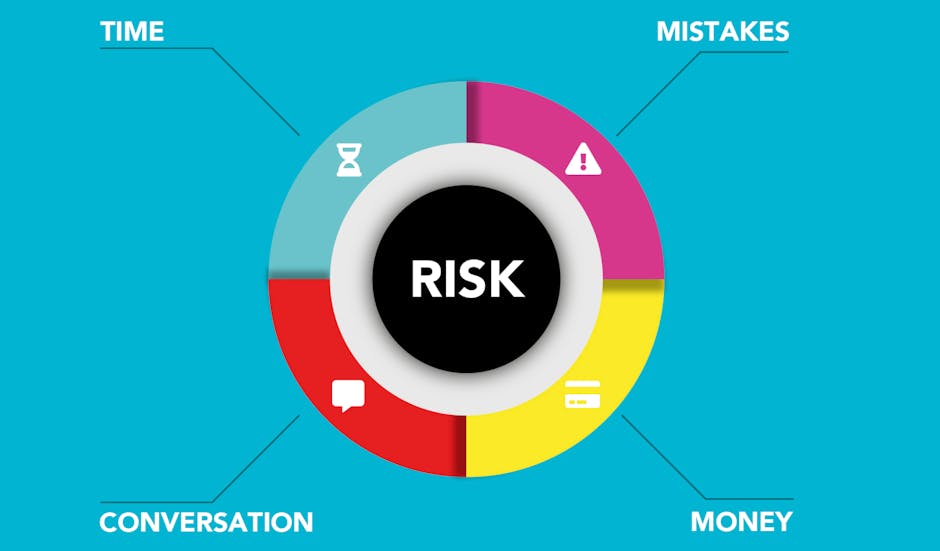
In summary, understanding risk management in accounting involves identifying potential threats, analyzing their financial impact, and integrating these insights into a comprehensive enterprise risk management strategy. This approach not only safeguards the financial health of the business but also positions it for strategic growth and resilience.
Next, let’s explore the role accountants play in risk management and how they contribute to strategic decision-making.
The Role of Accountants in Risk Management
Accountants are more than just number crunchers. They are the stewards of a company’s financial health, ensuring resources are used wisely and risks are managed effectively.
Stewardship
At its core, stewardship is about safeguarding an organization’s resources. Accountants act as custodians of financial integrity. They create accurate, timely, and relevant financial statements, which are crucial for identifying and managing risks. This role is akin to being the financial gatekeepers, ensuring that the company’s assets are protected and used efficiently.
A great example of stewardship is how accountants manage cash flow. By keeping a close eye on the inflow and outflow of money, they can spot potential liquidity issues before they become critical. This proactive approach helps businesses avoid financial pitfalls.
Data Analysis
Data is king, and accountants are the royal analysts. They use data analysis to spot trends and anomalies that could indicate risks. With the shift from traditional roles to data-driven ones, accountants now act as risk managers and data analysts.
For instance, by comparing actual financial performance against budgets and industry benchmarks, accountants can identify variances that might signal financial or operational risks. If a company consistently spends more than its peers without a valid reason, it might be time to dig deeper.
Moreover, accountants use techniques like sensitivity analysis to test assumptions and predict future financial scenarios. This allows them to provide insights into potential risks and their impacts.
Strategic Decisions
Accountants are not just about balancing books; they are strategic advisors. They provide critical insights that help in making informed decisions. By analyzing financial data and trends, accountants can advise on strategic moves like investments, mergers, and expansions.
Their role in risk management extends to advising on risk disclosures in financial reports. This ensures transparency and helps build trust with stakeholders. By providing a clear picture of potential risks and mitigation strategies, accountants enable businesses to steer uncertainties confidently.
A case study that highlights this is the role of accountants during the implementation of the U.S. Tax Cuts and Jobs Act of 2017. Accountants had to quickly adapt to new regulations and advise businesses on strategic tax planning to mitigate risks associated with the changes.
Accountants are pivotal in accountant risk management. They combine stewardship, data analysis, and strategic insights to help businesses manage risks effectively and make informed decisions for long-term success.
Next, we’ll dive into key strategies for effective accountant risk management and how they can be applied in real-world scenarios.
Key Strategies for Effective Accountant Risk Management
Effective accountant risk management requires a balanced approach, leveraging various strategies to handle potential threats. Let’s explore four key strategies: risk acceptance, risk avoidance, risk mitigation, and risk reduction.
1. Risk Acceptance
Sometimes, accepting a risk is the best option. This strategy is used when the cost of eliminating a risk is higher than the risk itself. For example, a small accounting error might not justify the expense of a costly software overhaul.
By acknowledging certain risks, businesses can focus resources where they matter most. This approach is often used when the likelihood of a risk occurring is low or the impact is minimal.
2. Risk Avoidance
Risk avoidance is all about steering clear of activities that could lead to significant issues. For accountants, this might mean avoiding complex financial instruments if the firm lacks expertise in that area.
For instance, if an accounting firm is aware that handling cryptocurrency transactions could lead to compliance issues, they might choose to avoid such transactions altogether. This strategy reduces the chance of encountering unmanageable risks.
3. Risk Mitigation
When the benefits of an action outweigh the risks, mitigation comes into play. This involves taking steps to manage and reduce the impact of risks. Accountants often use this strategy in investment decisions, where potential returns justify the risks involved.
For example, implementing robust internal controls and regular audits can mitigate the risk of financial fraud. By allocating resources to these areas, firms can proceed with confidence, knowing that risks are managed effectively.
4. Risk Reduction
Risk reduction focuses on minimizing the effects of potential risks. This can be achieved through various measures, such as enhancing security protocols to prevent data breaches or securing insurance to cover potential liabilities.
A practical example of risk reduction is when accountants use advanced software tools for real-time financial monitoring. These tools help in quickly identifying discrepancies, allowing for immediate corrective actions.
Additionally, transferring risk through insurance policies, such as professional liability insurance, is a common strategy to reduce financial exposure.
By combining these strategies, accountants can create a comprehensive risk management plan that protects their firms from potential threats. Next, we’ll explore the tools and techniques accountants can use to implement these strategies effectively.
Tools and Techniques for Accountants
In accountant risk management, having the right tools and techniques is crucial. Let’s explore three key areas: financial reporting, AI-improved analysis, and compliance tools.
Financial Reporting
Financial reporting is an accountant’s bread and butter. It’s the process of recording, summarizing, and presenting financial data to stakeholders. But it’s not just about numbers. It’s about spotting risks early.
Why it matters:
- Identifies Trends: Regular reporting helps accountants spot trends and anomalies. This can be crucial for identifying potential risks before they become problems.
- Informs Decisions: Clear financial reports guide strategic decisions. They help businesses allocate resources efficiently and avoid unnecessary risks.
Tools to Consider:
- Reach Reporting: This tool offers dynamic reporting capabilities. It allows accountants to visualize financial data, making it easier to identify emerging risks.
AI-Improved Analysis
AI is changing risk management in accounting. It offers advanced analytical capabilities that surpass manual methods.
How AI helps:
- Real-Time Analysis: AI tools analyze vast amounts of data in real time. This means potential risks are flagged faster, allowing for prompt action.
- Trend Identification: AI can spot patterns and anomalies that might be missed by the human eye.
Example in Action:
With AI-improved tools like Reach Reporting, accountants can quickly identify trends and anomalies. This proactive approach gives them a significant edge in protecting the company’s financial health.
Compliance Tools
Compliance is a cornerstone of risk management. Accountants must ensure that their firms adhere to all relevant regulations and standards.
Why it’s essential:
- Avoids Penalties: Non-compliance can result in hefty fines and legal issues. Staying compliant protects the firm from these risks.
- Builds Trust: Compliance shows stakeholders that the firm operates with integrity and transparency.
Tools to Use:
- Automated Reporting Systems: These systems ensure that financial documents are accurate and up-to-date. This reduces the risk of non-compliance and the associated penalties.
By utilizing these tools and techniques, accountants can effectively manage risks and safeguard their firms. This not only protects the business but also improves its reputation and trustworthiness.
Next, we’ll address some frequently asked questions about accountant risk management to further clarify these concepts.
Frequently Asked Questions about Accountant Risk Management
What is the role of an accountant in risk management?
Accountants play a crucial role in risk management by identifying risks and creating strategies to mitigate them. They are responsible for ensuring compliance with financial regulations to avoid legal issues and penalties. By analyzing financial data, accountants can spot potential risks early and advise businesses on strategic decisions to manage these risks effectively.
Can an accountant be a risk manager?
Absolutely! Accountants often serve as strategic advisors in risk management. Their expertise in data analysis allows them to identify operational risks and suggest ways to mitigate them. As risk managers, they help organizations steer financial uncertainties and make informed decisions that align with strategic goals.
What are the 5 stages of risk management?
The risk management process involves five key stages:
- Identify: Recognize potential risks that could impact the business.
- Analyze: Assess the likelihood and potential impact of each risk.
- Evaluate: Prioritize risks based on their severity and importance.
- Treat: Develop strategies to mitigate, transfer, or eliminate risks.
- Monitor: Continuously track risk factors and adjust strategies as needed.
By following these stages, accountants can help ensure their firms are well-prepared to handle risks as they arise, safeguarding the company’s financial health and reputation.
Next, we’ll dig into how PIA Insurance Agency can assist you in mastering risk management in accounting.
Conclusion
Mastering accountant risk management is essential for any accounting firm looking to safeguard its financial health and reputation. At PIA Insurance Agency, we understand the unique challenges accountants face and offer custom solutions to meet these needs.
Our focus is on providing custom risk management strategies that align with your specific business needs. We don’t believe in a one-size-fits-all approach. Instead, we offer a personalized assessment to ensure your practice is covered from all angles. Whether it’s through professional liability insurance or other specialized coverages, we aim to protect your firm from potential claims and financial pitfalls.
Professional liability insurance, especially errors and omissions coverage, is crucial for accountants. Even minor mistakes can lead to significant financial harm and legal fees. Our policies are designed to shield you from these risks, allowing you to focus on delivering exceptional services to your clients without the constant worry of potential liabilities.

By choosing PIA Insurance Agency as your partner, you gain more than just an insurer; you gain a team committed to your success. We’re here to help you steer the complexities of risk management with ease and confidence.
Explore our custom solutions and start your journey towards comprehensive coverage today. Let us help you focus on what you do best—providing exceptional accounting services to your clients. With PIA Insurance Agency, you can run your firm with peace of mind, knowing that your risks are well-managed and your practice is protected.